
Positive Reinforcement Techniques to Increase Obedience in Dogs

The Power of Positive Reinforcement in Dog Training
Transforming your dog’s behavior is not merely a process; it is a rewarding journey that can deepen the bond between you and your pet. Utilizing positive reinforcement techniques can effectively enhance your dog’s obedience while fostering an enjoyable learning environment. Unlike traditional training methods that often employ punishment, methods centered on positive reinforcement emphasize rewarding desired behaviors, leading to a more fulfilled and willing companion.
Integrating positive reinforcement into your training regimen brings about numerous advantages. Here are some key benefits that stand out:
- Encourages good behavior: By providing rewards when your dog exhibits positive behavior, you create a motivation for them to repeat those actions. For instance, when teaching a dog to sit, offering a treat immediately after they perform the command sets a clear expectation of the reward for their good behavior.
- Builds trust: Through positive experiences during training, dogs learn to associate commands with rewards, fostering trust between you and your pet. This foundational trust can also translate to better behavior in different environments, whether at home, during walks, or in social situations.
- Improves responsiveness: Dogs that are engaged and focused on their training are more likely to respond positively to commands. When training feels like a fun activity rather than a chore or punishment, your dog will be more attentive and eager to learn.
Practical Applications of Positive Reinforcement
The cornerstone of positive reinforcement lies in the rewards you choose. Here are some common and effective examples:
- Treats: Small, tasty rewards such as soft dog treats or tiny pieces of cooked chicken can be an effective way to motivate your dog. Be sure to choose high-value rewards that can quickly grab their attention.
- Praise: Verbal affirmations such as “Good boy!” or “Well done!” can elicit a dog’s joyous response. A friendly, enthusiastic tone can create positive feelings and associations in your dog’s mind. Engaging in light applause can also amplify this effect.
- Play: Incorporating a favorite game, like fetch or tug-of-war, after your dog successfully completes a command can reinforce their understanding of the desired behavior while giving them something to look forward to. The association between completing the command and engaging in play can greatly enhance their willingness to comply.
As you delve deeper into the world of positive reinforcement, you’ll uncover that building a positive learning experience is advantageous for both you and your dog. The more you understand how this form of reinforcement operates, the better equipped you will be to shape your dog’s behavior with compassion and empathy. For pet owners across the United States, adopting these techniques can create a happier, more harmonious household where obedience and joy coexist seamlessly. Exploring various training resources and even connecting with positive reinforcement-focused trainers may further enhance your abilities to foster a life of learning with your furry companion.
Understanding the Basics of Positive Reinforcement
To fully grasp the effectiveness of positive reinforcement techniques in dog training, it is essential to understand the foundational principles behind this method. At its core, positive reinforcement is a behavioral training strategy that involves providing consistent rewards to encourage desired behaviors. By focusing on encouraging compliance rather than punishing undesirable actions, pet owners can create an environment where dogs feel safe, respected, and eager to learn. This approach not only leads to improved behavior but also enhances the overall relationship between dogs and their owners.
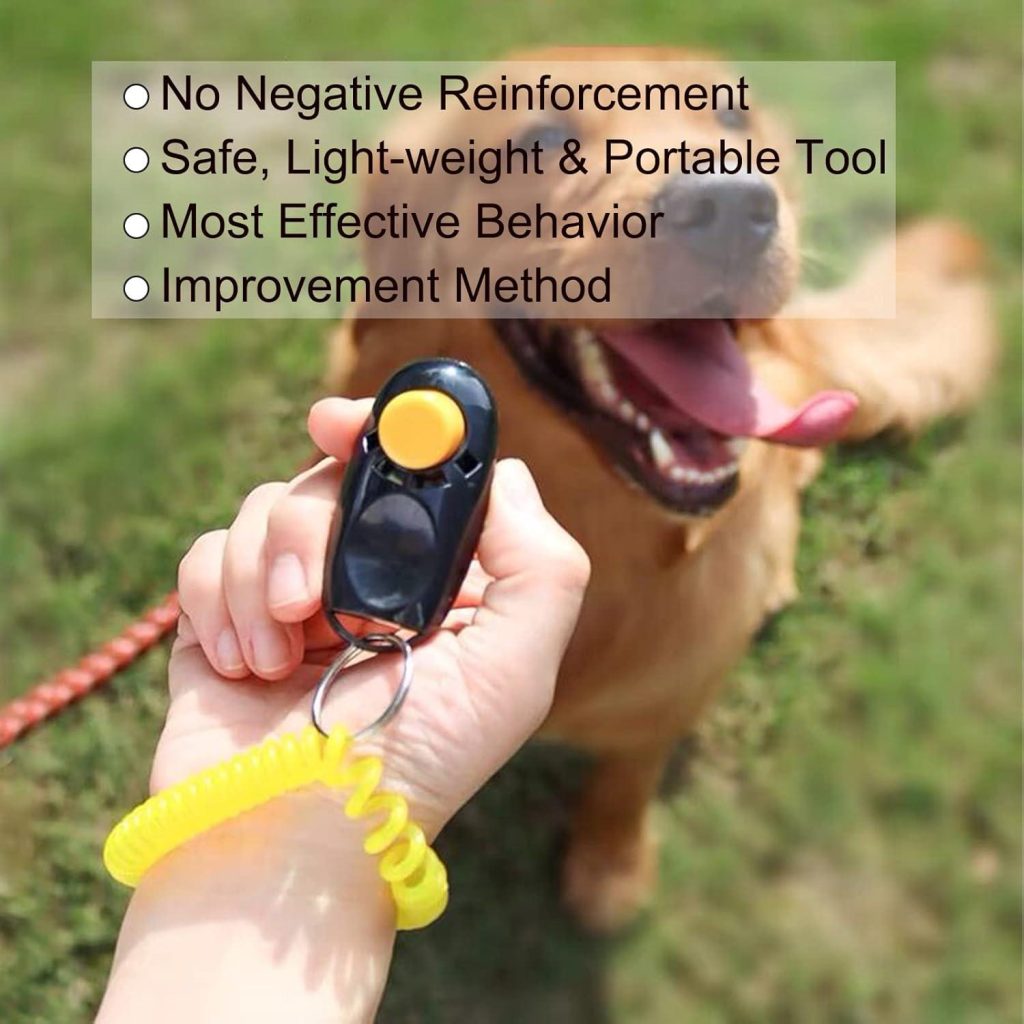
When getting started with positive reinforcement, it is vital to familiarize yourself with the timing and delivery methods of rewards. Timing is crucial, as rewards should be given immediately after your dog performs the desired action. This precision helps your dog make a clear connection between their behavior and the reward. A delay can lead to confusion and diminish the effectiveness of the training session.
Key Elements of Successful Positive Reinforcement Training
Implementing positive reinforcement techniques effectively requires attention to several aspects that contribute to their success:
- Consistency: Ensuring that you apply positive reinforcement consistently will help your dog understand what behaviors you wish to encourage. Using the same rewards for the same behaviors creates a predictable and reliable training experience.
- Variety of Rewards: Not every dog responds uniformly to the same reward type. Some may be more motivated by treats, while others may prefer praise or playtime. Exploring various reward options can help identify what excites your dog the most and enhance their learning experience.
- Short Training Sessions: Dogs, especially younger ones, have relatively short attention spans. Keeping training sessions brief—ideally 5 to 10 minutes—will help maintain their focus and enthusiasm. Multiple short sessions throughout the day may be more effective than a single long session.
- Pace the Learning Curve: Every dog learns at their own pace. Be patient and allow your dog to master each command before moving on to more complex tasks. This patience reinforces their confidence and reduces the risk of frustration for both you and your dog.
The beauty of positive reinforcement techniques is that they can be tailored to suit your dog’s individual needs and personality. Whether you are training a lively puppy or an older dog, using methods rooted in positive reinforcement can create a balanced and harmonious relationship. As you explore these concepts further, you may find yourself not only teaching your dog commands but also nurturing a more profound connection built on trust and mutual respect. This journey can lead to lasting loyalty and an enhanced quality of life for both you and your furry friend.
| Training Method | Description |
|---|---|
| Clicker Training | Utilizes a sound marker to denote correct behavior, reinforcing it with treats. |
| Treat-Based Rewards | Offers food rewards for completed tasks, creating a direct association between obedience and positive outcome. |
| Verbal Praise | Encourages dogs using enthusiastic verbal affirmation, promoting a strong bond with the owner. |
| Play as a Reward | Incorporates playtime as a motivator, reinforcing desired behaviors with enjoyable interactions. |
The use of positive reinforcement techniques in dog training has shown remarkable effectiveness in increasing obedience. By implementing methods such as clicker training, dog owners can easily communicate the exact moment their pet exhibits the desired behavior. This precise feedback ensures that the dog understands which actions warrant rewards. Furthermore, utilizing treat-based rewards not only motivates dogs but also establishes a clear association between their compliance and a tangible benefit. Combining food with verbal praise amplifies the effects, as dogs respond positively to enthusiastic acknowledgment from their owners. In addition, using playtime as a form of reward creates an enjoyable learning environment. Dogs thrive in scenarios where their efforts lead to fun interactions, fostering both obedience and an affectionate bond with their trainers. Exploring these techniques can lead to a fulfilling training experience for both dogs and their owners.
Innovative Approaches to Positive Reinforcement
As dog training techniques evolve, so do the methods of implementing positive reinforcement. Owners are increasingly utilizing innovative approaches that not only cater to the basic principles of reward-based training, but also introduce exciting new dynamics to the learning process. One such approach is the concept of marker training.
Marker training involves using markers, such as a clicker or a unique word, to indicate to your dog when they have performed the correct behavior. The sound of the click or the spoken marker helps the dog understand exactly what behavior earned the reward. This method can be particularly useful in noisy environments, where verbal cues may be drowned out. The distinct sound or marker captures the dog’s attention and creates a clear line of communication between you and your pet. Research shows that this clarity not only enhances comprehension but also increases enthusiasm during training sessions.
Utilizing Technology for Training
In today’s tech-savvy world, dog owners have access to an array of devices designed to facilitate positive reinforcement training. From smart collars that monitor behavior to interactive toys that dispense treats based on specific actions, technology has opened new doors for encouraging obedience. For example, automatic treat dispensers can reward your dog for performing tasks at a distance, allowing for more independent learning.
Moreover, mobile apps that feature training programs and progress tracking can keep both the owner and the dog accountable. These programs often include reminders for training sessions, tips on effective reinforcement strategies, and ideas for new tricks to learn, making it easier to stay engaged in the process. Leveraging technology can significantly enhance your dog’s training experience while ensuring that it remains fun and stimulating.
Incorporating Social Learning
Another intriguing method is social learning, where dogs learn by observing other dogs. This technique can be particularly effective for canine companions who tend to imitate their peers. Group training classes allow dogs to witness how others respond to commands and receive rewards. This social aspect can boost motivation and enthusiasm, as dogs thrive on positive interactions with their peers.
Dog parks and playdates can also serve as informal training sessions, blending socialization with obedience training. When your dog observes another dog responding positively to their owner’s cues—for instance, returning upon call—it can create an eagerness to replicate that behavior. Owners can facilitate this social learning by offering immediate rewards when their dog follows suit, reinforcing the connection between behavior and positive outcomes.
Building a Positive Environment
Creating a positive environment goes beyond simple training techniques. It involves fostering an atmosphere where dogs feel encouraged to express themselves and take risks without fear of negative repercussions. Using positive phrases, maintaining an upbeat tone, and providing plenty of affection can help build a strong foundation for successful training. Rather than focusing solely on the actions you want to prevent, emphasize the actions you wish to encourage. This approach not only aids in achieving obedience but also promotes a trusting relationship between you and your dog.
Ultimately, the goal of implementing positive reinforcement techniques is to cultivate a cooperative partnership with your dog. As you explore these innovative approaches and adapt them to fit your dog’s unique personality, you’ll likely find that the journey of training translates into a more rewarding and fulfilling experience for both of you, laying the groundwork for a well-behaved dog without sacrificing joy or excitement. By integrating modern strategies, you ensure that both you and your furry friend enjoy the process of learning and growing together.
Conclusion
In sum, positive reinforcement techniques have revolutionized dog training by fostering a bond between pet owners and their furry companions based on trust and mutual respect. As we have explored, methods such as marker training, the use of technology, and social learning strategies not only enhance a dog’s obedience but also make the training experience enjoyable for both parties involved. The integration of innovative tools and interactive environments encourages learning in a way that is less intimidating for dogs, thereby promoting a positive mindset throughout the training process.
Moreover, creating a supportive atmosphere where your dog can thrive without fear of punishment is crucial to cultivating lasting obedience. As you emphasize positive interactions and reward desired behaviors, you are not only teaching commands but also instilling confidence in your pet. Such an approach can yield long-term benefits, transforming education into a joyful venture rather than a chore.
For pet owners striving to develop a compliant yet happy canine partner, the exploration of various positive reinforcement techniques is an invaluable investment. Whether you are a new dog owner or an experienced trainer, adapting these methods to your dog’s unique needs encourages a more harmonious relationship, leading not just to improved behavior, but to a fulfilling companionship. The key is to remember that while teaching obedience is essential, nurturing that special bond with your dog is just as important for a happy and balanced life together.