
The Influence of Diet on the Learning of Pets
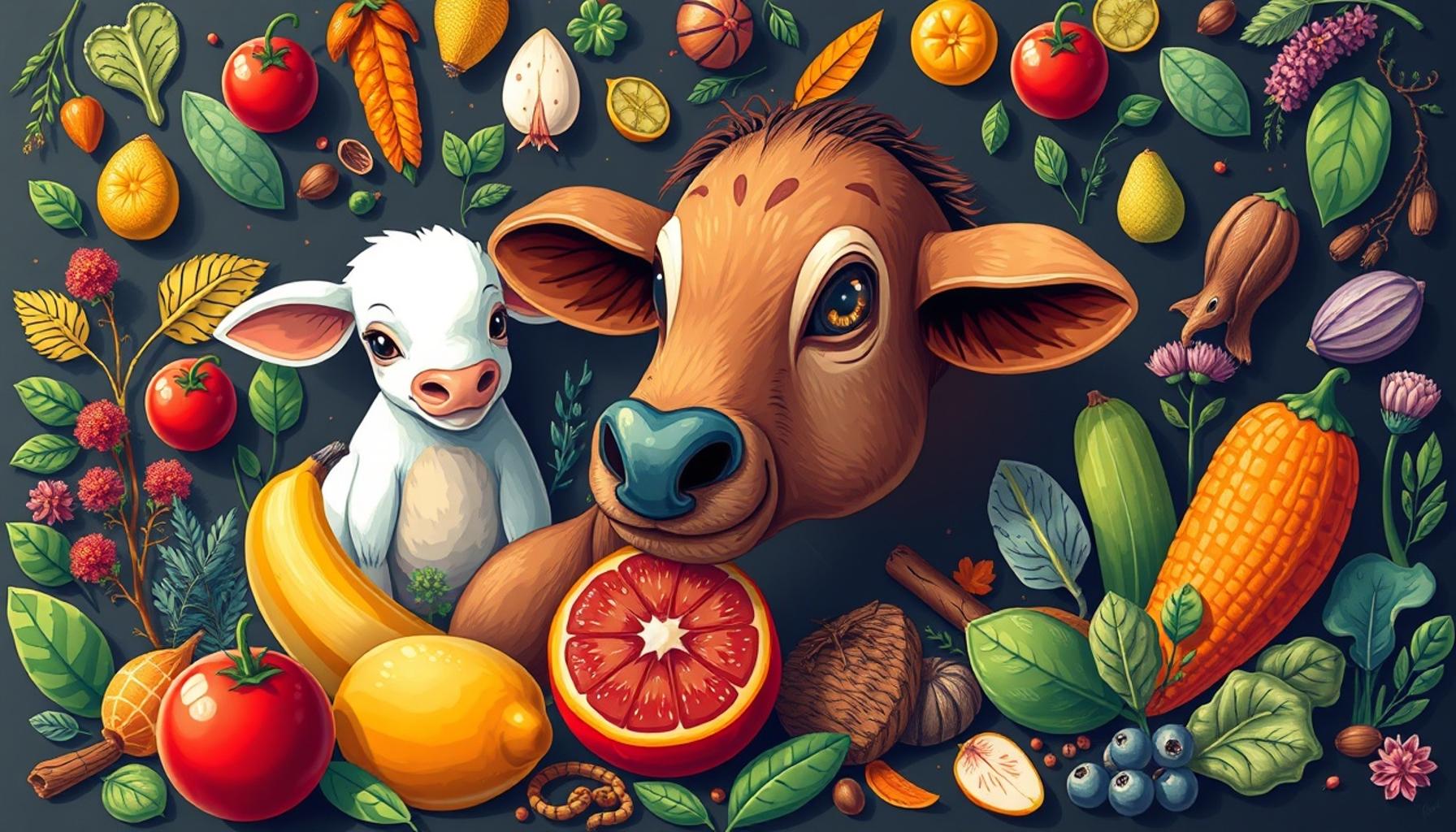
The Influence of Nutrition on Canine and Feline Cognition
How much do you know about the profound impact of a pet’s diet on their ability to learn? Recent studies suggest an intriguing connection that could change how we feed our furry companions. The food we choose for our pets not only affects their physical health but also their cognitive functions. With the understanding of this relationship growing, pet owners can better support their companions’ learning potential through informed dietary choices.
Nutrition Quality Matters
One of the most vital aspects of a pet’s diet is the quality of nutrition. Just as humans benefit from a diet rich in vitamins and minerals, pets require high-quality ingredients to promote brain function and overall health. For example, commercial pet foods often vary in their formulations, with premium brands typically containing real meat, whole grains, and fresh vegetables. These ingredients provide essential nutrients that support cognitive development and function. Comparatively, lower-quality foods may include fillers and artificial additives, which can lead to sluggishness and reduced learning capacity.
Wet vs. Dry Food: A Cognitive Perspective
Another crucial factor is the type of food provided—specifically, wet versus dry food. Wet food tends to have higher moisture content, which can aid in keeping pets hydrated. Proper hydration is essential for optimal cognitive function. Some studies indicate that increased hydration may improve attention spans and learning capabilities in pets. However, dry food is often more convenient and may offer dental benefits, so pet owners should consider their pet’s lifestyle and needs when making a choice between the two.
The Role of Specific Nutrients
Certain specific nutrients have been directly linked to enhanced memory and cognitive abilities in pets. Omega-3 fatty acids, commonly found in fish oil, are known for their anti-inflammatory properties and their role in brain health. These essential fats help build brain cell membranes and facilitate communication between brain cells. Antioxidants, found in various fruits and vegetables, also play a crucial role in counteracting oxidative stress in the brain, potentially reducing the risk of cognitive decline. Foods with blueberries, spinach, and pumpkin can be excellent additions to your pet’s meals.
Implications for Pet Training
Understanding these elements is crucial for pet owners striving to optimize their pets’ learning capabilities. Just like humans, pets require balanced nutrition for optimal functioning. As many owners begin to realize the vital role of diet in behaviors and learning, it opens the door to new training techniques and better overall well-being. In the quest for effective pet training, revisiting diet may indeed be the missing link.
Would you take the time to explore how dietary adjustments might transform your pet’s learning experience? As research continues to unfold, these insights not only inspire curiosity but also encourage responsible pet ownership. Look deeper into the fascinating connection between nutrition and cognition—for the benefit of your beloved companion.
Understanding the Link Between Diet and Learning in Pets
While the bond between pets and their owners is often rooted in affection, understanding the technical aspects of care—particularly when it comes to nutrition—can significantly enhance that bond. Many owners may not realize that specific dietary choices can profoundly influence their pet’s ability to learn new behaviors and commands. Beyond mere sustenance, a well-balanced diet can bolster cognitive functions, helping our pets not only to learn but also to thrive in their environment.
The Impact of Feeding Schedules
Another factor contributing to how well pets learn is their feeding schedule. Regular feeding times can help establish a routine, fostering stability in a pet’s life, which is crucial for effective learning. Studies have indicated that pets who are fed on a set schedule tend to exhibit fewer behavioral problems and are more receptive to training sessions. Predictability in feeding can lead to less anxiety, allowing pets to focus better during learning exercises.
Portion Control and Weight Management
Overfeeding is a prevalent issue among pet owners, often leading to obesity, which can hinder a pet’s cognitive abilities. A study conducted by the University of Illinois showed that overweight dogs demonstrated noticeable learning impairments compared to their healthier counterparts. Proper portion control ensures that pets maintain a healthy weight, optimizing their overall mental and physical well-being. Regularly monitoring your pet’s weight can lead to improved energy levels and focus, essential elements for successful learning.
Foods Enhancing Cognition
A well-rounded diet rich in specific nutrients can significantly enhance learning capabilities. Here are some important components to consider:
- Protein: Crucial for brain neurotransmitter production, proteins help facilitate communication within the brain.
- Omega-3 Fatty Acids: Found in fish and flaxseed, these fats have been linked to improved cognitive functions.
- Vitamins and Minerals: Essential for metabolic processes and energy production; deficiencies can lead to cognitive decline.
- Probiotics: Emerging research indicates that gut health can influence behavioral outcomes through the gut-brain axis.
Age-Related Nutritional Needs
As pets age, their nutritional needs change as well, impacting their learning abilities. Senior pets may benefit from diets enriched with antioxidants to fight oxidative stress, alongside easily digestible proteins to support brain health. For older dogs, incorporating supplements specifically designed for cognitive support can be a game-changer. Monitoring their dietary intake closely during different life stages enables pet owners to cater to their evolving learning needs.
The exploration of how diet influences the learning abilities of pets is a vital area of interest for pet owners seeking to enhance their companions’ quality of life. Paying attention to these nutritional details can lead to substantial improvements in not only behavioral output but also the overall happiness of your furry friend.
| Nutritional Content | Impact on Learning |
|---|---|
| High-Quality Proteins | Enhances cognitive functions, aiding in quicker learning and retention. |
| Omega-3 Fatty Acids | Supports brain health; studies link omega-3s with improved memory in pets. |
| Vitamins and Minerals | Essential for overall health; deficiencies can lead to behavioral issues affecting learning. |
Proper nutrition is crucial for optimal learning capabilities in pets. Just like humans, the brains of animals require specific nutrients to function at their best. High-quality proteins found in premium pet foods are instrumental in enhancing cognitive functions, allowing pets to learn commands and tasks more efficiently. Similarly, the inclusion of omega-3 fatty acids in their diet significantly supports brain health, with studies indicating improvements in memory and learning capacity. Furthermore, a balanced diet rich in vitamins and minerals is vital; deficiencies can lead to various behavioral issues that can hinder a pet’s ability to learn. Exploring how dietary changes can make a significant difference in your pet’s educational journey opens up exciting possibilities for both pet owners and trainers alike.
Dietary Considerations for Behavioral Training
In the journey of training pets, dietary choices play a crucial role that extends beyond nutrition, influencing behavioral outcomes and learning experiences. Numerous behavioral experts strongly advocate for integrating the right food into training regimens to optimize positive results. It’s fascinating to note that the bioavailability of nutrients can directly impact a pet’s willingness and ability to learn.
Training Treats: The Right Choices
When it comes to training sessions, the effectiveness of training treats cannot be overstated. Selecting healthy, nutrient-dense options can not only serve as an instant reward but also contribute positively to cognitive function. Treats low in fillers and artificial additives are recommended, as they often provide more protein and healthy fats, which support brain activity.
Moreover, some trainers advocate for incorporating specialized cognitive treats—those designed specifically to enhance mental acuity—into training sessions. Brands like Zuke’s have created treats formulated with nutrients aimed at fostering brain health. The inclusion of these options can lead to more engaged, focused pets during training, ultimately making the learning process smoother and more enjoyable.
Hydration: An Often-Overlooked Factor
While diet typically brings to mind solid foods, the aspect of hydration is equally crucial in fostering an environment conducive to learning. Dehydration, even in mild forms, can lead to cognitive decline, reduced attention spans, and overall lethargy. Keeping pets hydrated with fresh, clean water aids in maintaining optimal brain function and should be a priority alongside solid food choices.
Additionally, moisture-rich foods such as wet dog or cat food can also contribute to hydration, enhancing overall health. Pet owners should monitor water intake and consider incorporating hydrating foods, especially during hot weather or physical activities when pets are more prone to dehydration.
The Influence of Specific Diets
Different pets may respond uniquely to varying types of diets, which can directly affect their learning capabilities. For instance, pets on grain-inclusive diets may experience fluctuations in energy levels that could alter their receptiveness to commands. In contrast, grain-free diets have gained popularity purportedly due to their potential effects on behavior and cognitive function.
Research points out that a raw diet, high in fresh meats, vegetables, and minimal processing, may boost vitality and sharpen focus in pets, making them more engaged learners. However, transitioning to such diets should be done cautiously and ideally under veterinary guidance to prevent nutritional imbalances.
Consulting Professionals for Personalized Nutrition
Given the substantial impact of diet on learning, consulting with a veterinarian or a pet nutritionist can yield valuable insights tailored to individual pets. These professionals can help craft a unique dietary plan considering a pet’s breed, age, health conditions, and specific learning needs. By conducting this assessment, pet owners can ensure their furry companions receive the right diet that aligns with their behavioral training goals.
As we delve deeper into the intersection of diet and learning in pets, it becomes increasingly clear that informed nutritional choices can lead to optimal pet cognitive function and performance. Continuously examining and adjusting a pet’s diet can significantly enhance not only their training experience but also their overall quality of life.
Conclusion
In exploring the profound relationship between diet and the learning of pets, it is clear that nutritional choices serve as a cornerstone for effective training and cognitive development. From the impact of high-quality training treats that enhance brain function, to the crucial role of hydration in maintaining cognitive clarity, each element of a pet’s diet significantly influences their behavior and ability to learn.
Additionally, the type of food—whether grain-inclusive or a raw diet—can yield varied responses in pets, directly affecting their willingness to engage and learn during training sessions. These dietary considerations reveal just how intricately intertwined nutrition and behavior are in the realm of pet ownership.
Moreover, the importance of consulting with professionals, such as veterinarians and pet nutritionists, cannot be overstated. Tailoring a pet’s diet according to their individual needs ensures that they receive the essential nutrients for optimal learning and behavioral outcomes. This personalized approach enhances not only the effectiveness of training methods but also contributes to the overall health and well-being of our furry companions.
As pet owners, being mindful of these dietary impacts opens the door to more enriching training experiences. Ultimately, by fostering an environment where nutrition meets education, we can help our pets become more focused, eager learners, leading to a deeper bond that thrives on mutual understanding and respect.