
How to Use the Clicker as an Effective Training Tool

Unlocking the Power of Clicker Training
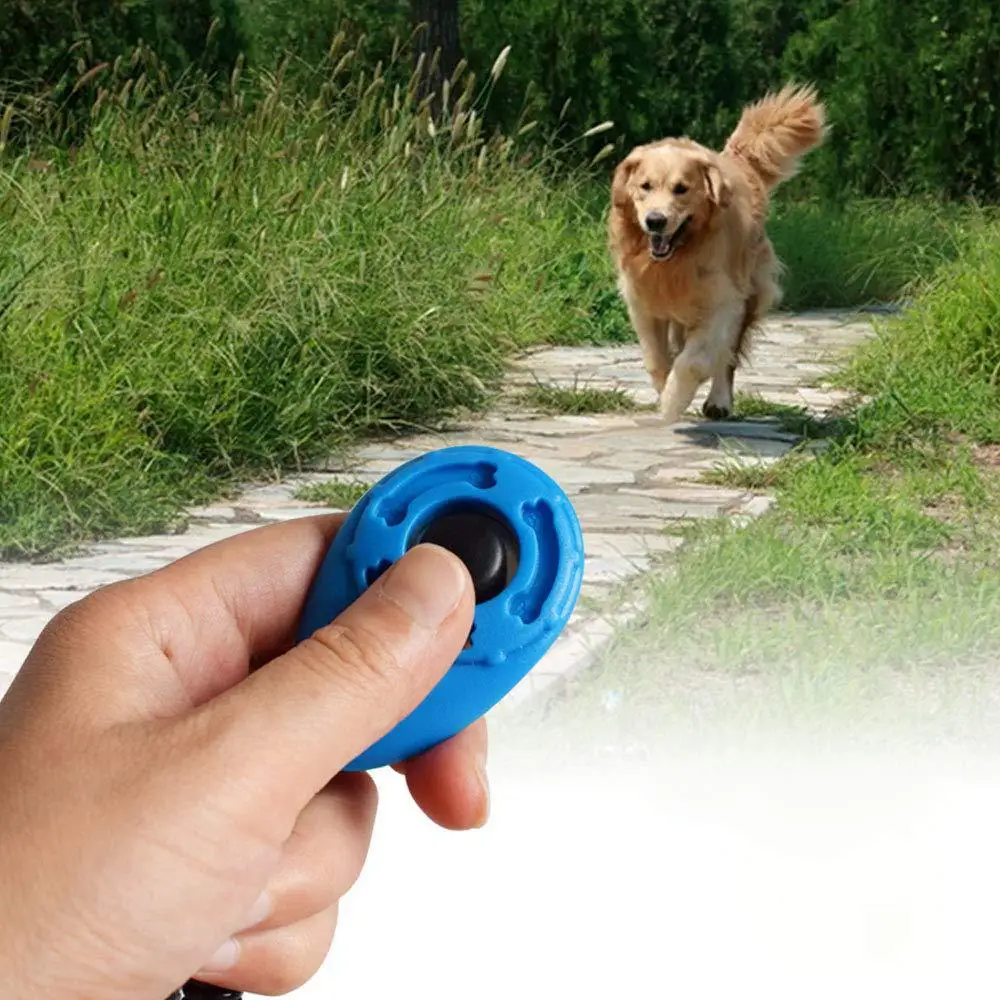
Clicker training has emerged as one of the most effective methods for training pets. This small, handheld device emits a distinctive “click” sound that serves as a marker for desired behaviors, making it easier for animals to understand what is expected of them. With its roots in behavioral psychology, clicker training not only helps facilitate communication between humans and animals but also enhances the overall training experience for both parties.
At its core, clicker training harnesses the principles of positive reinforcement. Instead of focusing on punishing undesired behavior, the clicker serves as a powerful bridge between the desired action and a reward, such as treats or praise. For example, if you’re training a dog to sit, the moment its bottom touches the ground, you immediately click the device and give a treat. This approach fosters a sense of accomplishment in pets, encouraging them to repeat the behavior in the future.
The Importance of Timing
The success of clicker training hinges on timing. The click sound must align precisely with the behavior you want to reinforce. If there is a delay, the animal may not associate the click with the specific action, leading to confusion during the learning process. For instance, if a parrot flaps its wings and you click several seconds later, the bird might think the click signals something entirely different, such as the presence of a toy. Thus, precise timing is crucial for effective training.
Staying Consistent
Another critical aspect is consistency. Each time your pet performs the desired behavior, the clicker should be used. Over time, this consistency helps the animal associate the sound with positive outcomes, making the learning process smoother. Variations in the training style, such as changing the type of reward or the frequency of clicks, can create confusion. Therefore, establishing a routine is essential, especially in the early stages of training.
The beauty of clicker training lies in its versatility. It can be used for a wide range of pets, from dogs and cats to birds and even reptiles. For example, many dog trainers utilize clickers to teach simple commands like “stay” or “come,” while bird owners use them to encourage vocalization or tricks like rolling over. This technique not only builds skills but also fosters trust and strengthens the bond between owners and their pets.
Exploring Advanced Techniques
As you delve deeper into clicker training, numerous advanced techniques await discovery. These include shaping, where desired behaviors are gradually trained in small steps, and targeting, where animals learn to touch a specific object. Each technique adds a new layer of engagement and challenge, keeping both you and your pet excited about the learning process.
In summary, clicker training can transform your approach to pet education. With patience, practice, and a willingness to explore the myriad techniques available, this simple tool can lead to remarkable training outcomes. Whether you are an experienced trainer or just beginning your journey, the clicker can become an invaluable asset in nurturing a well-behaved, happy pet.
Getting Started with Clicker Training
Embarking on your clicker training journey starts with understanding how to effectively use the clicker, which serves as a communication tool between you and your pet. The following steps will guide you in employing this powerful tool to create a rewarding training experience:
Choosing the Right Clicker
Selecting a high-quality clicker is the first step. There are various types available, from basic handheld clickers to more advanced models featuring multiple sounds and customizable settings. Pick one that feels comfortable to use and has a distinct, appealing sound that your pet can easily recognize. You might also consider clickers that are designed with features such as wrist straps to prevent accidental drops, ensuring quick access during training sessions.
Introducing the Clicker to Your Pet
Before diving into training, it’s essential to familiarize your pet with the clicker. Begin by introducing the sound in a calm environment. Simply click the device and immediately offer a treat to your pet. Repeat this several times, allowing your pet to associate the clicking sound with a positive reward. This initial phase is crucial because it helps create a strong connection between the clicker and rewards, setting the stage for the training that follows.
Establishing a Strong Foundation
Once your pet understands the clicker’s purpose, begin teaching simple commands or behaviors. Focus on actions that your pet naturally performs, as these will create a smoother learning experience. Here are some behaviors you could start with:
- Sitting: When your dog sits on command, click and reward.
- Lying down: Encourage them to lie down and click when they do.
- Coming when called: Call your pet’s name and click when they respond.
Always remember to offer the reward immediately after clicking to reinforce the connection between the action and the reward. Additionally, keep training sessions short and engaging, ideally lasting around five to ten minutes. This will keep your pet focused and prevent fatigue, ensuring a positive atmosphere for learning.
Utilizing Rewards Wisely
The nature of the rewards you use can significantly impact training effectiveness. Choose high-value treats that your pet finds irresistible, as this will enhance motivation during training sessions. Additionally, vary the types of rewards to keep your pet engaged. You can use treats, toys, or even affection and praise, depending on what your pet responds to best. As your pet masters a behavior, you may begin to phase out treats, transitioning to verbal praise and intermittent rewards to reinforce the learned skills.
In conclusion, mastering the fundamentals of clicker training is essential to leveraging this powerful tool effectively. By selecting the right clicker, introducing it properly, establishing clear foundations for behavior, and utilizing rewards strategically, you’ll be well on your way to creating a fun and successful training experience that can strengthen the bond between you and your pet. As you progress, you’ll discover the profound impact clicker training has on communication and learning.
How to Use the Clicker as an Effective Training Tool
The clicker is a small handheld device that emits a distinct sound when pressed, acting as a marker to signal to pets or students that they have performed a desired behavior. Employing a clicker effectively creates a clear communication channel, making it easier for the learner to understand exactly what action is being rewarded. By associating the sound of the clicker with positive reinforcement, the clicker serves as a motivational tool, enhancing the overall training experience.
Here’s an informative table that outlines some practical advantages of using a clicker for training:
| Advantage | Description |
|---|---|
| Precision Marking | Clickers provide accurate timing for marking behaviors, making it easier for learners to connect actions with rewards. |
| Enhanced Learning | The quick sound of the clicker helps in accelerating the learning curve by instantly capturing the learner’s attention, fostering quicker responses to training tasks. |
Incorporating the clicker into any training routine adds a level of engagement that is often missing in traditional methods. The auditory cue not only clarifies expectations but also thrills learners by maintaining a fun training environment.
As you delve deeper into the topic, consider exploring the various techniques and methods for integrating clicker training across different scenarios, whether with pets, students, or even in self-improvement exercises. The versatility of the clicker is boundless, and it remains an essential tool in effective training strategies.
Advanced Techniques in Clicker Training
Now that you have established a solid foundation in clicker training with your pet, it’s time to explore advanced techniques that can further enhance the learning experience and build more complex behaviors. These strategies will not only reinforce your training sessions but also deepen the connection with your pet, ultimately resulting in a more obedient and well-rounded companion.
Shaping Behavior
One of the most effective methods in clicker training is called shaping. This technique involves rewarding successive approximations toward a desired behavior. Instead of waiting for your pet to perform the entire action correctly, you click and reward for each small step they take towards achieving it. For example, if you’re teaching your dog to spin, you can start by clicking when they simply turn their head. As they begin to understand that turning their head earns them a reward, gradually increase the expectation until they complete the full spin. This approach not only boosts your pet’s confidence but also promotes creative problem-solving skills.
Using the Clicker for Tricks
Clicker training is not just limited to obedience commands; it can also be an excellent way to teach fun tricks! Tricks serve as an engaging way to keep your pet mentally stimulated while strengthening your bond through play. Here are a few beginner tricks to consider:
- Roll Over: Begin by encouraging your dog to lie down. Utilize treats to guide their body in a circle, clicking as they complete the roll.
- Shake Hands: Hold a treat in your hand and click when your dog raises its paw. Gradually introduce the command “shake” to associate the word with the action.
- Play Dead: Get your pet to lie down and incline their body to one side, rewarding them with a click as they create the desired posture.
These tricks not only make training more enjoyable for you and your pet but also help your dog develop new skills that can be showcased, making training sessions an exciting performance!
Generalization of Behaviors
Once your pet has mastered a behavior in a controlled environment, it is essential to ensure they can generalize it across different situations. This means practicing the command in various locations with different distractions. For instance, if your dog is proficient at sitting in your living room, take the command to a park or a busy street. Click and reward whenever they respond correctly, reinforcing that the behavior is expected regardless of the setting. This training method helps your pet learn that commands are not context-specific, thus improving overall obedience.
Maintaining Consistency
Consistency is key in any form of training, and clicker training is no exception. Ensure that all household members use the same commands, rewards, and training techniques. Inconsistency can confuse your pet, hindering their ability to learn effectively. Establish a clear vocabulary for training and stick to it to ensure your pet understands what is expected and can respond accordingly.
In addition, be aware of your timing; the clicker should always be used at the exact moment your pet performs the desired behavior. This immediate feedback helps your pet make the connection between their action and the reward, fostering a clearer understanding of what behavior is being reinforced.
By incorporating these advanced techniques into your clicker training, you’ll not only build a stronger relationship with your pet but also cultivate a well-behaved companion who can carry out a variety of actions seamlessly. As you progress, remember that patience and persistence are paramount, and every small step taken is progress in itself.
Conclusion
In conclusion, mastering the art of clicker training can transform the way you communicate and bond with your pet. By utilizing the clicker as an effective training tool, you not only teach commands but also foster an environment rich in positive reinforcement and mutual respect. The advanced techniques discussed, such as shaping behaviors, teaching tricks, generalizing skills, and maintaining consistency, are essential for ensuring your pet thrives in their learning journey.
Remember that every pet is unique, and the path to success may vary. Embrace the individuality of your companion, and be patient as they develop their skills. Celebrating small victories will motivate them and deepen the trust between you. Moreover, as you explore the nuances of clicker training, you’ll likely discover new ways to enrich your pet’s life, enhancing both physical and mental engagement.
As you navigate this rewarding endeavor, consider expanding your knowledge through reputable resources and communities dedicated to positive reinforcement training. By continuing to learn, you not only enhance your training sessions but also contribute to your pet’s overall well-being. With dedication and persistence, clicker training can pave the way for a harmonious relationship filled with joy and accomplishment. Take the first step today and unlock the full potential of your training sessions.