
Pet Training for All Ages: Specific Approaches for Puppies, Adults, and Seniors

Understanding the Stages of Pet Training
Training a pet is a fundamental part of responsible ownership, and it varies significantly with age. Understanding the unique needs of your furry companions can lead to successful training outcomes. Training is not just about teaching commands but also about building a strong bond between you and your pet, which ultimately enhances the quality of life for both. Whether you have a rambunctious puppy, a mature adult, or a wise senior, tailored approaches are essential for effective learning.
When it comes to effective pet training, consider these key age groups:
- Puppies: In this stage, socialization and basic commands are crucial. Puppies, typically aged between eight weeks to six months, are incredibly receptive to new experiences. It’s vital to introduce them to various environments, people, and other animals. Utilize positive reinforcement techniques—like treats or praise—to encourage desirable behaviors. Simple commands such as “sit,” “stay,” and “come” form the foundation for your dog’s training. For example, enrolling them in puppy training classes can also provide valuable socialization opportunities.
- Adults: Adult dogs, usually over one year, may have established behaviors that need fine-tuning. Training often focuses on refining skills and correcting bad behaviors acquired during their formative years. This can include preventing jumping on guests or excessive barking. Incorporating mental stimulation—through puzzle toys or advanced obedience training—coupled with regular physical activity is pivotal for their engagement. For instance, engaging in agility training not only exercises their body but also sharpens their mind.
- Seniors: Senior pets, often classified as age seven and above, require a thoughtful training approach that respects their physical limitations. Gentle training methods, like using low-impact exercises and clear, simple commands, are necessary. Older pets might have mobility issues or slower cognitive function, making patience key. For example, short, frequent training sessions are more effective than longer ones, allowing them to process information without becoming overwhelmed.
Each stage of life presents distinct challenges and opportunities. For instance, puppies are like sponges, absorbing everything around them, while senior pets might need a more relaxed approach. Engaging in the right training methods can lead to a happier and more harmonious home. It is also crucial to recognize that every pet is unique; what works for one may not work for another.
Stay tuned as we delve deeper into specific strategies for each age group. By equipping yourself with the right knowledge and techniques tailored to your pet’s developmental stage, you can create a fulfilling training experience that fosters not only obedience but also a deeper connection with your beloved animal companions.
Effective Training Techniques for Puppies
Puppies are at a critical stage of development where socialization and learning occur at an astonishing rate. This is the best time to lay the groundwork for a well-mannered pet. A key component of puppy training is understanding their natural curiosity and high energy levels. Socialization should begin as early as eight weeks old, exposing them to various sounds, smells, people, and other animals. This exposure helps to build confidence, mitigate fears, and prevent behavioral issues in the future.
Incorporating playful and enjoyable activities is essential to keep a puppy engaged. Here are some effective strategies:
- Positive Reinforcement: Rewarding your puppy with treats, praise, or play for good behavior reinforces the learning experience. The more they associate positive outcomes with certain actions, like sitting or coming when called, the more likely they are to repeat those behaviors.
- Short Training Sessions: Puppies have short attention spans, so keep training sessions brief, about 5 to 10 minutes each, with ample breaks in between. This helps prevent frustration for both the trainer and the pup.
- Consistency is Key: Use the same commands and cues consistently. This clarity helps your puppy understand what is expected and minimizes confusion.
- Socialization Classes: Enrolling your puppy in formal training classes not only teaches commands but also provides valuable opportunities to socialize with other dogs.
Remember, patience and encouragement are crucial. Puppies may not learn everything immediately, and it is important to celebrate small victories along the way. Training should also be fun—turning lessons into games helps reinforce concepts while keeping your puppy excited about learning.
Refining Skills for Adult Dogs
When transitioning to adult dogs, typically over one year of age, the training approach shifts towards refining existing behaviors and correcting any undesirable habits. Adult dogs may already have ingrained behaviors that can pose challenges, such as jumping on visitors or exhibiting excessive barking. The focus here is on enhancing obedience and ensuring that your dog responds reliably to commands. To do this effectively:
- Advanced Obedience Training: Consider introducing advanced commands and tricks. This can keep your dog mentally stimulated and strengthen communication between you and your pet.
- Addressing Bad Habits: Identify problematic behaviors and work on correcting them using consistent commands and reinforcement techniques. It’s often helpful to consult with a professional trainer for specific issues.
- Mental Stimulation: Provide puzzle toys and engaging activities that challenge your dog mentally. This can combat boredom and reduce undesirable behaviors.
- Regular Physical Activity: Adult dogs benefit from both physical exercise and mental engagement. Incorporating regular walks, play sessions, and structured activities such as agility training can help channel their energy productively.
By the time dogs reach adulthood, establishing a routine that includes training and physical activities is pivotal. Leveraging age-appropriate techniques helps maintain a positive and harmonious relationship between you and your canine companion.
As we delve deeper into the world of pet training, the specific approaches for senior dogs will reveal the importance of adapting your methods to support their needs, ensuring that all stages of life are covered comprehensively.
Understanding Developmental Stages in Pet Training
One of the most critical aspects of successful pet training is recognizing the unique developmental stages of dogs—from energetic puppies to wise seniors. Each stage presents distinct challenges and opportunities for learning. Training during the puppy stage, typically considered to be between 8 weeks to 6 months old, is crucial for socialization and foundational behavior. Puppies are incredibly receptive to training, and introducing them to basic commands like “sit,” “stay,” and “come” can lay the groundwork for a well-behaved adult dog. Incorporating fun and engaging methods, such as positive reinforcement techniques, can make learning enjoyable and effective.As dogs transition into adulthood, usually between 1 to 7 years, their training needs shift. Adult dogs often benefit from refining existing skills and introducing more advanced commands or tricks. This stage also allows for addressing any behavioral issues that may have developed during their puppy years. Owners should utilize consistency and patience, as adult dogs may respond better to a structured routine and clear expectations. Techniques like clicker training or obedience classes can enhance the learning experience for both the dog and the owner. For senior dogs, usually 7 years and older, maintaining mental agility and physical activity is key. Training should focus on gentle exercises that accommodate any physical limitations while still engaging the dog’s mind. Simple commands can be revisited, but with flexibility to adapt to the senior dog’s pace. Training at this stage should be a positive experience; therefore, short, enjoyable sessions are recommended to keep the process stress-free. In summary, understanding the specific needs of dogs at different ages allows owners to create effective training plans tailored to their pet’s life stage. Each dog is unique, and adapting training methods to fit their individual personalities not only supports their learning but also enriches the entire pet-owner relationship.
| Category | Advantages |
|---|---|
| Puppy Training | Establishes foundational skills, enabling early socialization and behavior correction. |
| Adult Training | Refines skills for better obedience and addresses any behavioral issues, fostering a strong bond. |
| Senior Training | Promotes mental stimulation and maintains physical activity adapted to mobility, enhancing quality of life. |
Adapting Strategies for Senior Dogs
As dogs enter their senior years, typically around seven years of age and older, their training needs evolve significantly. This stage of life brings about various physical and cognitive changes, necessitating tailored approaches that prioritize their comfort and well-being. While senior dogs may be less energetic than their younger counterparts, they remain capable of learning new skills and reinforcing desired behaviors. Here’s how to approach training for senior dogs:
- Gentle Training Techniques: Senior dogs may have health concerns such as arthritis or decreased stamina, so training techniques should be gentle and accommodating. Use minimal physical corrections and opt for soft, positive methods that promote comfort and reduce stress.
- Short, Frequent Sessions: Similar to puppy training, senior dogs benefit from short training sessions, ideally lasting around 5 to 10 minutes. These brief intervals help maintain their focus and prevent fatigue, while frequent repetition ensures retention of skills.
- Focus on Mental Stimulation: While physical activity may decline, mental stimulation remains critical. Engage senior dogs with interactive toys, scent games, or gentle obedience training to keep their minds sharp. Activities like hide-and-seek with treats can be both fun and rewarding.
- Utilize Familiar Commands: Senior dogs typically respond better to commands they have known throughout their lives. Reinforcing these familiar cues can help maintain their confidence and comfort. Use a calm tone and provide plenty of praise to keep training enjoyable.
- Health Considerations: Always consult your veterinarian before commencing a training regimen. Understanding any specific health issues allows for more tailored training that respects your dog’s limitations. For instance, dogs with vision or hearing impairments may require modifications to standard commands.
It’s crucial to be patient and understanding, as changes in behavior may occur. Some older dogs may experience cognitive decline, leading to confusion or forgetfulness. In such cases, consistency and routine are vital. For example, establishing a daily training time and sticking to it can create a sense of stability, making it easier for senior dogs to grasp commands.
Socialization Needs in Seniors
Although senior dogs may be set in their ways, socialization remains important for their emotional health. Encountering new people and environments can prevent behavior changes associated with isolation or anxiety, which can be common in older pets. Consider the following strategies:
- Controlled Social Interactions: Arrange for gentle playdates with calm, well-mannered dogs. This can help rebuild self-confidence and reduce feelings of anxiety in new situations.
- Outings in Familiar Environments: Take your senior dog on little excursions to familiar parks or surroundings. Positive experiences in safe environments can boost their enthusiasm for exploring.
- Be Mindful of Their Pace: When introducing your senior dog to new experiences, be observant of their energy levels and adjust to their pace. Shorter visits and less active interactions can help minimize stress.
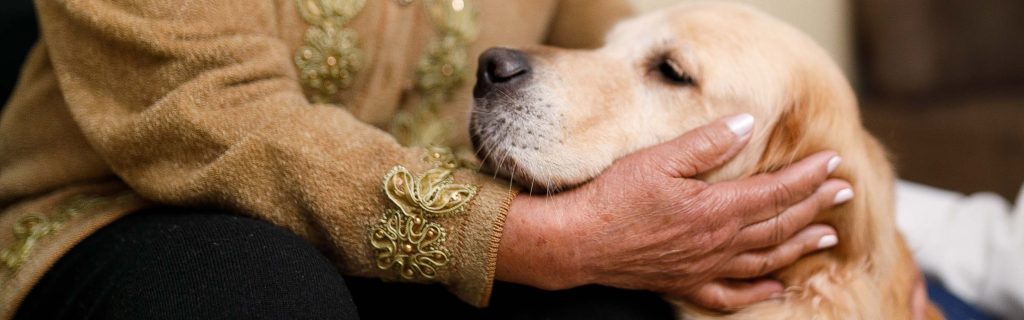
Training a senior dog is as much about patience and compassion as it is about commands and tricks. By understanding their needs and limitations, you can effectively foster a happy, fulfilling environment that keeps your beloved pet engaged in their golden years.
Ultimately, the principles of training extend across all ages—lifting spirits, maintaining health, and reinforcing bonds between humans and their canine companions. Each stage requires its own tailored approach, ensuring your pet feels loved and supported throughout their life journey.
Conclusion: Embracing the Journey of Pet Training
In the realm of pet training, it is essential to recognize that each age group—puppies, adult dogs, and seniors—requires a distinct strategy tailored to their unique needs. Whether you are nurturing a playful puppy, refining an adult’s skills, or accommodating the gentle pace of a senior dog, your approach can significantly influence their overall well-being and happiness.
Puppies crave both structure and socialization; establishing routines and exposing them to various experiences fosters their development into well-mannered adults. For adult dogs, the focus shifts towards reinforcing learned behaviors, meeting exercise demands, and providing mental challenges. Senior dogs, while possibly less energetic, enrich our lives with their affection and wisdom. Training during this stage should be encompassed by empathy and understanding, ensuring they remain engaged through gentle techniques and mental stimulation.
As you embark upon this rewarding journey, remember that patience and consistency are key ingredients to successful training, regardless of age. By adapting your techniques and remaining attuned to your dog’s individual personality and physical condition, you can cultivate a stronger bond while enriching their lives. From the early days of puppyhood to the golden years of seniority, training serves as a foundation upon which trust, companionship, and love are built.
Embrace the exploration of new strategies, engage with your pet, and enjoy the learning process together. Each training session not only shapes their behaviors but also fortifies the precious connections that define the human-animal bond. So, whether you have a playful pup or a wise old friend, equip yourself with the right tools and nurture their spirit through effective training techniques that celebrate their journey through life.