The Impact of the Family Environment on Pet Training

Exploring the Family Dynamics and Their Impact on Pet Training
A pet’s learning journey does not occur in a vacuum; instead, it is intricately intertwined with the family environment. The dynamics of a household can greatly influence how effectively a pet responds to training, shaping their learning process based on several key factors. By understanding these influences, pet owners can create a more effective training regimen that fosters not only obedience and skills but nurtures a deeper bond within the family itself.
- Consistency: One crucial aspect of training is ensuring that all family members are on the same page. This includes using identical commands and training techniques. For instance, if one person says “sit” while another says “down” when asking the pet to settle, it will create confusion and slow down the learning process. Establishing a consistent training regime reinforces the commands and aids the pet in learning them faster.
- Socialization: A positive family dynamic plays a pivotal role in broadening a pet’s social skills. Daily interactions with different family members or guests can prepare pets, particularly dogs, for various experiences outside the home. For example, involving children in training sessions or family outings can promote socialization skills, teaching pets to behave appropriately in diverse social situations, from parks to crowded events.
- Emotional Stability: The state of a household greatly affects a pet’s ability to absorb training. Stressful environments, perhaps due to conflicts or instability, can lead to anxiety in pets which hinders their concentration and receptiveness. Creating a calm, loving atmosphere is essential for successful training. Family members can contribute to a sense of stability by maintaining a routine that includes regular feeding, playtime, and training sessions.
Pet training should be an engaging and interactive experience for both the pet and the family. This can further strengthen the bond between them, fostering an environment where learning is enjoyable rather than a chore. Regular family involvement in training can take various forms, such as scheduled practice sessions, playdates, or even employing fun training games that encourage teamwork.
Understanding the relationship between family structure, emotional support, and effective pet training can equip pet owners with the knowledge to foster a conducive learning environment. By considering each member’s role, families can enrich their training practices, ultimately leading to a well-behaved pet that enriches their home life. Through this exploration, pet owners can unlock the secrets to making training a seamless and rewarding journey for themselves and their beloved animals.
Key Family Factors Influencing Pet Training
To comprehend the impact of the family environment on pet training, it is paramount to identify the various factors at play within the home. Understanding these dynamics not only aids in the pet’s learning experience but also establishes a stronger family bond. Here are several critical elements that shape the training process:
- Family Engagement: The degree to which family members are involved in pet training plays a significant role. The more individuals that participate in training, the better the pet becomes accustomed to various commands and expectations. Regular involvement from everyone can lead to a well-adjusted pet that responds uniformly, regardless of who issues the command. Simple actions, such as rotating training duties among family members, can diversify the pet’s learning experience and maintain its engagement.
- Positive Reinforcement: Utilizing positive reinforcement techniques within a family environment enhances the training experience. Family dynamics that celebrate a pet’s achievements with praise, treats, or playtime will inspire the pet to learn. When every family member is on board with positive feedback, it strengthens the concept of rewards, making training sessions more enjoyable and productive.
- Communication Styles: Each family member’s communication style can affect the pet’s understanding. For instance, some individuals may employ a friendly tone while others might convey authority. Consistent use of language and tone across family members will reduce confusion for the pet. Training sessions should encourage open discussions among family members about preferred methods and styles, ensuring everyone is aligned in their approach.
- Training Goals: Having shared training goals can lead to more effective outcomes. If everyone in the family is invested in teaching the same commands and behaviors, the pet will grasp expectations more rapidly. Families can establish a casual dialogue about what skills they wish their pet to master, such as basic obedience commands or advanced tricks, creating unity in their training efforts.
Involvement of the family in the training regimen stretches beyond just teaching commands and providing rewards; it also addresses the emotional aspect of pet interaction. A united front encourages a cohesive learning experience where the pet feels secure and valued. Individuals who may have different motivations for training—whether it be reinforcing safety protocols for children or preparing a pet for social gatherings—must communicate effectively to align their strategies.
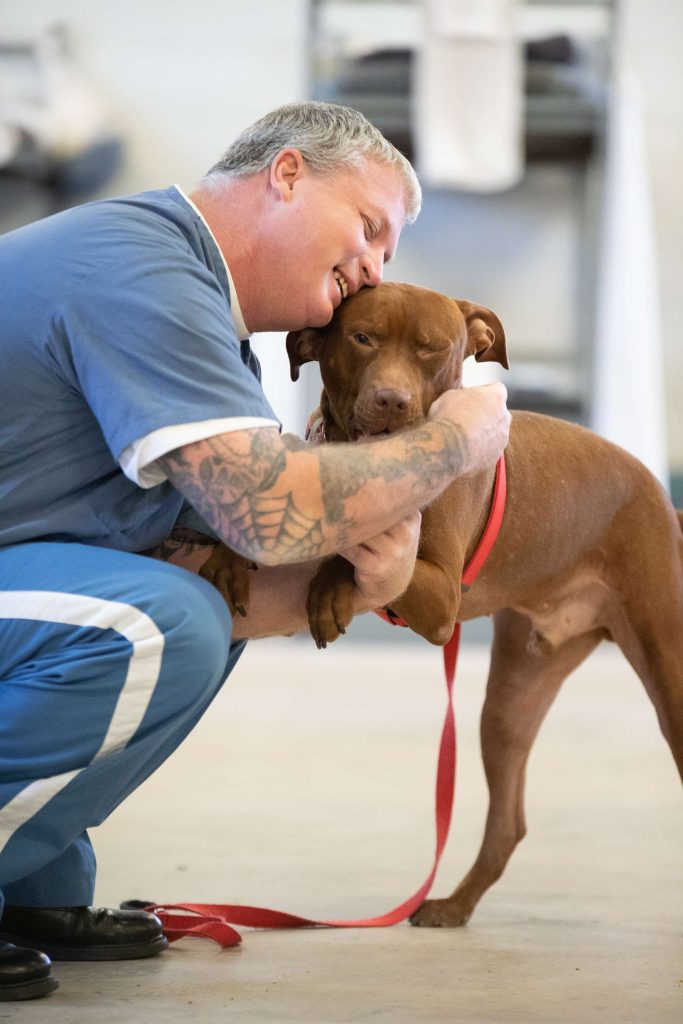
Moreover, establishing a routine that encompasses both training and play helps reinforce the importance of learning within the pet’s day-to-day activities. Consistency in this routine nurtures trust and affirms the family bond, making training an integral part of the family’s lifestyle rather than a standalone activity.
By understanding these intricate components of family dynamics, pet owners can take actionable steps towards a more effective training experience. The family’s collaborative spirit not only promotes efficient learning for the pet but also enhances joy and connection among all members involved.
| Category | Advantages |
|---|---|
| Consistent Routine | Establishes trust and predictability in training sessions, making pets more receptive. |
| Positive Reinforcement | Families that use reward-based techniques engage pets more effectively, improving behavior. |
| Socialization | Creates opportunities for pets to interact with different people and environments, leading to well-adjusted animals. |
| Emotional Bonding | A strong bond can enhance a pet’s motivation to please their owners, leading to better learning outcomes. |
The family environment plays a crucial role in shaping how pets respond to training. Factors such as the age of family members, the consistency of routines, and the overall emotional atmosphere at home contribute significantly to a pet’s development. For example, a structured environment provides a sense of security. When animals feel safe, their cognitive functions are more engaged during training sessions. Moreover, implementing a consistent training schedule allows pets to grasp commands more efficiently, reducing confusion and fostering a sense of accomplishment.Additionally, parents or guardians who actively involve children in pet training promote not only responsibility but also create a deeper emotional connection between them and the pet. Mutual respect is cultivated, leading to behavior improvements and a fulfilling companionship. Moreover, regularly exposing pets to new environments and varied experiences helps mitigate anxiety, ensuring they grow into confident companions. Let’s delve deeper into how family dynamics can bring out the best in our pets.
Creating a Supportive Training Environment
In addition to the key factors influencing pet training mentioned earlier, a supportive family environment can significantly enhance the efficacy of training efforts. When families foster an atmosphere conducive to learning, pets not only excel in obedience but also develop a healthy and trusting relationship with their human companions. Here are several dimensions to consider:
- Consistency in Discipline: Consistent rules and boundaries throughout the family unit are essential for effective pet training. When a pet receives differing messages on acceptable behavior—from one family member allowing them on the couch while another forbids it—confusion ensues. Establishing a family consensus on rules and following through uniformly can create predictability and clarity for the pet, leading to more rapid learning and adaptation.
- Emotional Support and Patience: Training a pet often requires time and patience, especially when dealing with stubborn or anxious breeds. Family members should be aware of each other’s emotional responses during training sessions. Encouragement, as well as a calm demeanor, can foster a safe space for the pet. For example, taking turns to manage training while one member provides emotional support can lead to a more effective learning experience, as pets often pick up on the emotional cues of their trainers.
- Utilizing Family Resources: Families come with diverse skills and backgrounds, which can be leveraged to enhance pet training. For instance, if one member is knowledgeable about agility training, while another excels at basic obedience, they can collaborate to create a well-rounded training program. This approach not only benefits the pet’s development but also strengthens bonds among family members through shared learning.
- Cultural and Social Influences: Family habits and social interactions also influence how pet training unfolds. For example, in numerous regions across the United States, community training classes are popular and can be combined with rewards from family members at home. These classes can introduce new methods and techniques that reflect cultural perspectives on pet ownership and training. Engaging with these external resources nurtures a broader support network for the pet while providing family members with new insights.
Moreover, the family’s daily routines should incorporate elements of training seamlessly. Whether it’s involving the pet in morning exercise or instilling commands during feeding times, these natural integration points help the pet view training as a routine part of life, rather than a chore. By making training a fun and interactive part of the day, families can foster enthusiasm and curiosity in their pets, which are critical components of successful learning.
The presence of other animals in the household can also have ramifications on the training process. Pets are often social learners, observing and imitating behaviors from fellow animals. If a family welcomes multiple pets, their interactions can become valuable opportunities for positive reinforcement. For instance, when one pet successfully obeys a command, another pet may be encouraged to replicate the behavior, creating a reinforcing cycle of learning.
By capitalizing on these dynamics, families can not only enhance their pet’s training experience but can also find joy in the shared efforts and successes. This collective approach to pet training lays the foundation for enhanced understanding, cooperation, and connection among all family members, ensuring that both pets and people thrive together.
Conclusion
In summary, the family environment plays a critical role in shaping the outcomes of pet training efforts. As we have explored, elements such as consistency, emotional support, shared knowledge, and cultural engagement significantly influence how effectively pets learn and adapt. When families work together to create a supportive atmosphere, they not only enhance their pet’s learning experience but also foster stronger bonds that enrich the entire household. Through consistent discipline, emotional encouragement, and the leveraging of individual family members’ strengths, the training process transforms into a collaborative journey rather than a solitary task.
Moreover, the incorporation of training into daily routines allows pets to perceive these lessons as a seamless part of life, promoting a natural eagerness to learn. The presence of multiple pets can further amplify this experience, as animals often mimic behaviors within their social groups, leading to an organic reinforcement of training principles.
Recognizing the impact of family dynamics on pet training opens new avenues for improvement and understanding. As studies continue to illustrate the profound effects of a nurturing environment, pet owners are encouraged to view training as a holistic family endeavor. Whether through professional classes or simple at-home lessons, each family has the potential to create a vibrant learning space where both pets and humans thrive in harmony. For those looking to elevate their pet training practices, embracing a family-centric approach may just be the key to unlocking a more obedient, happy, and well-adjusted companion.