Homemade Food for Pets: Recipes and Necessary Care
Why Homemade Food is Worth Considering
Our pets are more than just animals; they are beloved family members who deserve the best care possible. This has led to an increased interest in homemade food for pets, as pet owners seek to provide fresh, nutritious meals tailored to their furry friends’ specific needs. One notable advantage of preparing meals at home is the control it offers over the ingredients. Many commercial pet foods are laden with preservatives and fillers that can negatively affect a pet’s health. By cooking at home, pet owners can ensure that they are using whole, natural ingredients, eliminating potentially harmful additives.
The Growing Trend of Homemade Pet Diets
Statistical insights reveal that over 70% of pet parents in the United States are intrigued by the idea of homemade diets. This trend is not only a response to rising concerns about the quality of store-bought pet foods but also reflects a deeper desire among owners to enhance their pets’ lifestyle and well-being. Ingredients typically used in homemade pet meals include chicken, vegetables, grains, and even fish, allowing for culinary diversity that feeds both the body and the soul.
Ingredients Matter
- When considering what to include in your pet’s diet, it’s crucial to focus on high-quality protein sources, healthy fats, and fiber.
- Commonly used proteins like chicken or turkey can be paired with vegetables such as carrots or peas, and whole grains like brown rice or quinoa.
- Understanding potential allergens, like grains or dairy, is also vital, as some pets may have sensitivities.
Key Considerations for Success
However, embarking on the homemade pet food journey requires careful planning. Firstly, understanding your pet’s nutritional needs based on their age, size, and health condition is paramount. A kitten’s requirements are vastly different from those of a senior dog. Secondly, incorporating a variety of ingredients ensures a balanced diet, much like how humans benefit from diverse food choices.
Furthermore, consulting a veterinarian or a pet nutritionist is highly recommended to develop meal plans that meet all necessary nutritional guidelines. With their expertise, pet owners can avoid common pitfalls, such as nutrient deficiencies that might arise from an unbalanced diet.
Conclusion
With the right approach, making meals for your pet can become an enjoyable and fulfilling part of pet ownership. Besides providing high-quality nutrition, preparing food at home creates an opportunity for bonding and understanding your pet’s unique preferences. As we embark on this culinary adventure, you will discover a wealth of recipes and helpful tips that ensure your beloved pet not only thrives but also relishes every delicious bite.
Choosing the Right Ingredients for Homemade Pet Meals
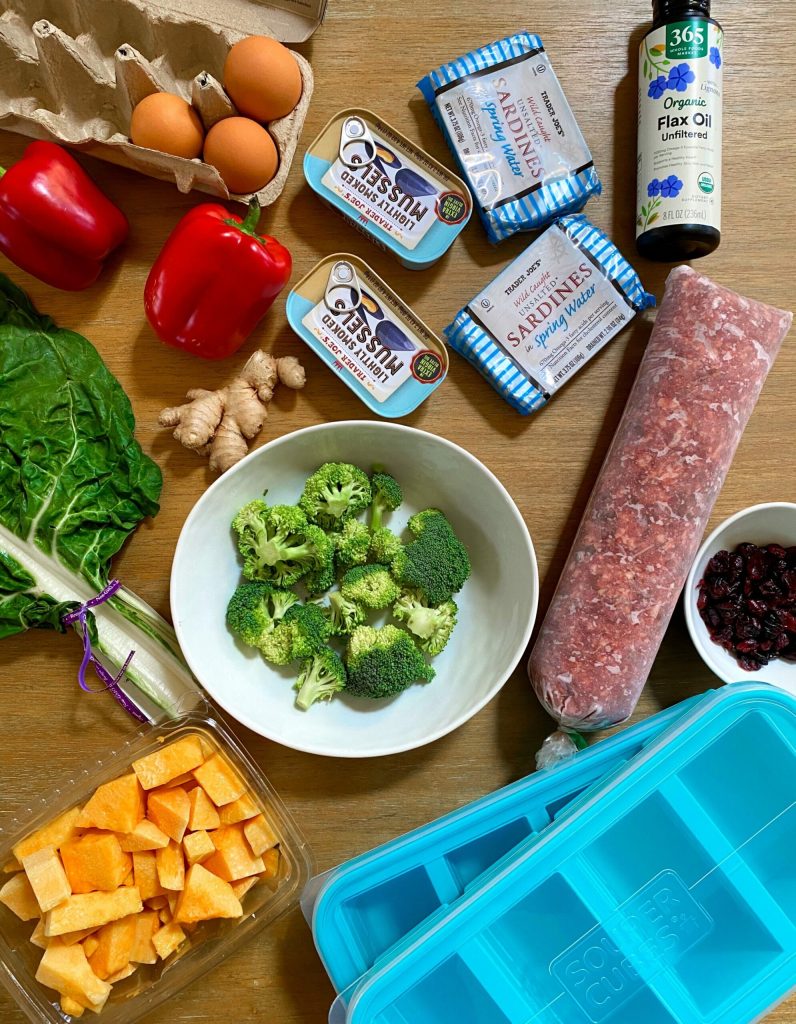
One of the most vital steps in creating homemade food for pets is selecting the right ingredients. This level of attentiveness allows pet owners to not only cater to their pet’s taste preferences but also to meet their dietary needs effectively. While it might be tempting to simply use whatever is available in the pantry, crafting a balanced meal requires a thoughtful approach to ingredient selection.
The Importance of Balanced Nutrition
To achieve a well-rounded diet, understanding the basic components of a pet’s nutritional requirements is essential. Here are some key elements to consider:
- Proteins: Essential for growth, maintenance, and overall health, proteins should form the backbone of any homemade pet meal. Choose lean meats like chicken, turkey, or fish as primary sources.
- Fats: Healthy fats serve as an energy source and support digestion and skin health. Incorporate oils such as fish oil or flaxseed oil to enhance both flavor and nutritional value.
- Carbohydrates: Whole grains like brown rice or quinoa can be beneficial, as they provide essential energy. However, some pets may have sensitivities to grains, making it important to monitor their reactions.
- Vegetables: Ingredients like carrots, peas, and sweet potatoes not only enhance the flavor but also offer vital vitamins and minerals, contributing to a holistic diet.
It’s imperative to note that certain foods which are normal for humans can be hazardous to pets. For example, items like onions, garlic, and chocolate are toxic to dogs and cats. This makes familiarity with pet-safe ingredients a top priority for every pet owner who decides to prepare food at home.
Making the Transition to Homemade Meals
Shifting from commercial pet food to a homemade diet can be a gradual process. Start by introducing new foods slowly, mixing them into their current diet. This helps pets adjust and reduces the risk of digestive upset. Consider these helpful tips for a smooth transition:
- Consult a Veterinarian: Before making significant dietary changes, seeking veterinary advice ensures you’re on the right track regarding your pet’s specific dietary needs.
- Monitor Changes: As you begin introducing homemade meals, keep an eye on your pet’s behavior, coat condition, and energy levels to identify any necessary adjustments in their diet.
- Create a Meal Schedule: Consistency is key. Establish a schedule for feeding times to help regulate your pet’s digestive health.
Embracing a homemade food journey can be rewarding not just for pets, but also for their owners, offering a deeper bond forged through shared meals. While the initial effort might require some trial and error, the benefits of whipping up nutritious, tailored recipes for your beloved companions are immeasurable, ensuring they receive the care and love they deserve.
Exploring Homemade Pet Food Benefits
When considering the shift to homemade food for pets, many pet owners are intrigued by the myriad advantages it offers. This section delves deeper into the benefits of preparing nutritious meals for your furry companions, ensuring they receive the very best in dietary care.
| Advantage | Description |
|---|---|
| Improved Health | Homemade meals allow for controlled ingredients, minimizing allergens and enhancing overall well-being. |
| Customization | Pet owners can tailor recipes to their pets’ specific health needs and preferences, leading to greater satisfaction and health outcomes. |
| Cost-Effectiveness | While initial cooking may seem demanding, bulk preparation can lead to significant savings in the long run. |
| Bonding Time | Cooking for your pet fosters stronger connections as you become more invested in their nutrition and care. |
Through these benefits, creating homemade pet food not only enhances dietary quality but also elevates the relationship between owner and pet. It’s a journey of discovery, learning about what suits your pet’s needs best while promoting health through tailored nutrition. Dive deeper into the recipes and care strategies to unlock the potential of a nourishing homemade diet for your beloved animal companions.
Crafting Delicious and Nutritious Recipes
Creating homemade food for pets isn’t just about using the right ingredients; it’s also about crafting recipes that are appealing and nutritionally complete. The culinary world offers a plethora of recipes tailored perfectly for our furry friends, and utilizing sources like veterinary nutritionists, pet blogs, or cookbooks dedicated to pet nutrition can inspire new meal ideas. Here are some tasty ideas to consider:
Simple Recipes to Try at Home
Whether you have a dog or a cat, there are simple recipes that will excite their palate. Here are a couple to get you started:
- Chicken and Rice Dinner for Dogs: Boil one cup of shredded chicken (ensure it’s boneless and skinless) with one cup of brown rice. Add half a cup of peas and carrots for extra nutrition. Cook until the rice is tender, and let it cool before serving.
- Fish and Sweet Potato Delight for Cats: Bake one white fish fillet (such as cod) and mash it with half a cooked sweet potato. This dish is rich in omega-3 fatty acids, promoting healthy fur and skin.
These recipes are straightforward, but variations can be tailored according to your pet’s specific dietary preferences. Specialization is key: some pets may benefit from grain-free options or even vegetarian meals depending on their individual health needs. Use local, fresh, and organic ingredients when possible to ensure quality.
Incorporating Supplements for Optimal Health
When preparing homemade meals, it’s also crucial to consider the addition of supplements. Though whole foods provide essential nutrients, certain vitamins and minerals may be lacking in homemade diets. Common supplements that are often recommended include:
- Omega-3 Fatty Acids: Beneficial for skin and coat health, omega-3 can be found in fish oil or flaxseed oil.
- Calcium: Important for bone health, adding crushed eggshells or a calcium supplement can help meet this need.
- Multivitamins: A comprehensive multivitamin formulated for pets can bridge gaps that may exist in homemade diets.
It is advisable to consult with your veterinarian before adding any new supplements to your pet’s diet to ensure proper dosage and necessity.
Careful Monitoring and Adjustments
Ingredient selection and recipe crafting are only the first steps. Homemade food for pets requires careful monitoring to ensure that your furry friend is thriving. Regular check-ins, such as observing your pet’s weight, digestive health, and overall energy levels, can offer insights into how their diet is impacting their well-being. Here are some actions to consider:
- Keep a Pet Food Journal: Documenting what you feed your pet can help track their reactions to certain foods, making it easier to identify what works best for them.
- Schedule Regular Vet Visits: Routine check-ups can help spot any deficiencies and adjust dietary plans accordingly.
- Stay Informed: As the understanding of pet nutrition evolves, continue seeking new research or literature that informs and updates your pet diet practices.
By embracing a more personalized approach to pet nutrition, you’ll empower your pets with food that not only satisfies their hunger but also promotes lasting health and vitality. It’s a journey that reflects your love and commitment to their well-being, and it opens up exciting new possibilities in their daily lives.
Conclusion: Nourishing Your Pets with Love
Providing homemade food for pets is a rewarding endeavor that allows pet owners to take control of their furry friends’ nutrition and overall health. By crafting nourishing recipes tailored to your pet’s specific needs, you create meals that not only satisfy their taste buds but also contribute positively to their well-being. As you explore various diets, keep in mind the importance of sourcing premium, whole ingredients, and consider incorporating essential supplements to fill in any nutritional gaps.
Furthermore, the journey of feeding your pet homemade food involves continuous learning and careful monitoring. By maintaining a pet food journal and scheduling regular veterinary check-ups, you can adjust their diets accordingly to ensure they are thriving. Remember, every pet is unique, and their needs may change over time, making it vital to stay informed on the latest advancements in pet nutrition.
Ultimately, investing time and effort into your pet’s meals is a testament to the love and commitment you have for them. It fosters a healthier and happier life, deepening the bond you share. In a world where quality matters, homemade food for pets opens the door to endless possibilities for exploration, creativity, and, most importantly, flourishing health for your beloved companions. So dive into recipe creation, embrace the joy of cooking for your pets, and enjoy every moment of this fulfilling journey.