Natural Nutrition for Cats: Benefits and Challenges
Understanding the Nuances Behind Feline Nutrition
As pet owners seek to enhance the well-being of their feline friends, natural nutrition has emerged as an intriguing alternative to conventional cat food brands. The consideration of such diets not only reflects a growing awareness of pet wellness but also prompts essential inquiries regarding the advantages and pitfalls associated with them. To make informed decisions, it is crucial to grasp what natural nutrition encompasses and how it can be tailored for each cat’s specific needs.
Natural nutrition generally comprises several approaches to feeding cats:
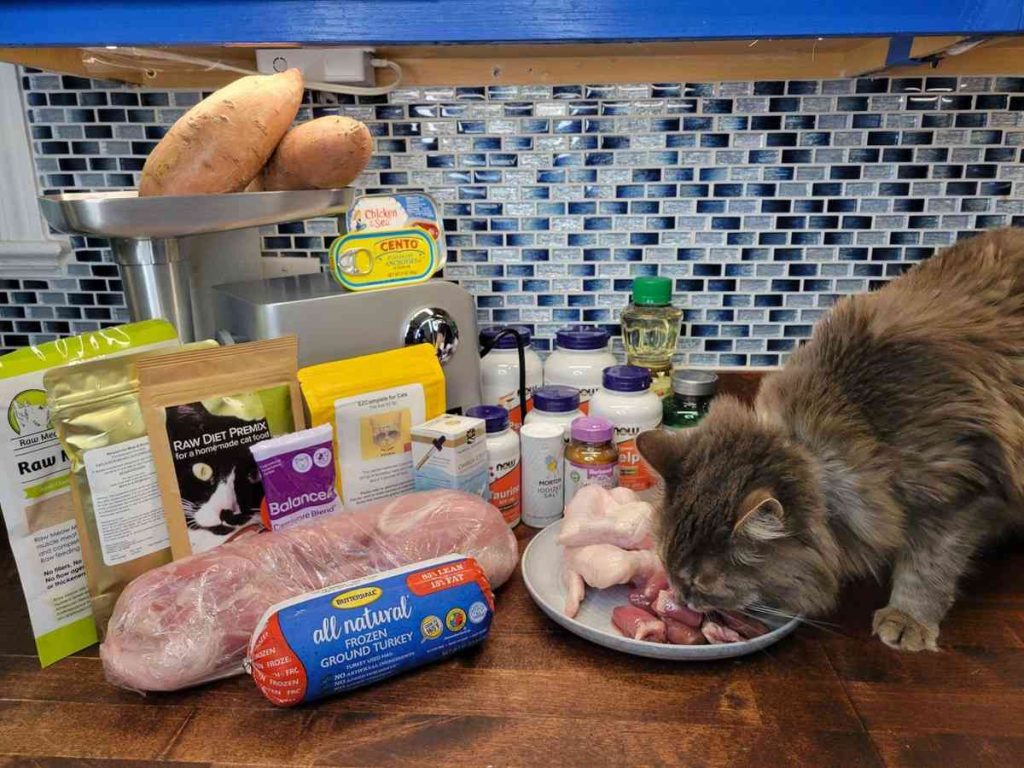
- Raw diets: These include fresh, uncooked meats and organs, closely resembling the natural diets of cats’ wild ancestors. Proponents argue that this type of diet can prevent many common health issues that arise from processed cat food.
- Whole prey: This model mimics a cat’s natural feeding behavior by providing the entire animal, including bones, organs, and tissues. This holistic approach is believed to deliver optimum nutrition by reflecting a cat’s evolutionary dietary patterns.
- Home-cooked meals: Some cat owners choose to prepare meals at home, often using whole ingredients specifically designed to meet their cat’s dietary needs. Customizing recipes tailored to individual health requirements can be particularly beneficial.
The potential perks of adopting a natural diet are noteworthy:
- Improved skin and coat condition: Many owners report shinier fur and healthier skin as a result of nutrient-dense ingredients, such as omega-3 fatty acids found in fish oils.
- Enhanced energy levels: A balanced, species-appropriate diet may contribute to higher activity levels, making cats more playful and less prone to lethargy.
- Long-term health benefits: Numerous studies suggest that a natural diet might lower the risk of obesity, diabetes, and kidney disease—conditions that commonly affect domesticated cats.
Nevertheless, transitioning to a natural diet does not come without its challenges:
- Time intensity: Preparing a balanced meal for cats can be laborious, requiring significant planning and cooking time, which may not be practical for all pet owners.
- Nutritional balance: Cats have specific dietary needs, including adequate levels of taurine and other essential nutrients that must be carefully accounted for in meals. Failing to provide a balanced diet can lead to health issues.
- Veterinary advice: Professional consultation is critical, especially for pets with pre-existing health conditions. A veterinarian can guide pet owners in designing appropriate dietary plans tailored to their cat’s individual health profile.
As the dialogue about natural nutrition in feline care evolves, it is crucial for cat owners to weigh both the benefits and challenges. By exploring the many facets of natural diets, pet parents can make better-informed choices, ultimately contributing to the long-term health and happiness of their beloved companions. As interest in this topic continues to grow, more resources and studies are expected to emerge, shedding light on the ever-evolving landscape of feline nutrition.
The Advantages of Natural Nutrition for Cats
As more cat owners become aware of the impact of diet on their pets’ overall health, the appeal of natural nutrition continues to grow. Emulating the dietary habits of wild cats is at the forefront of this movement. Advocates argue that a natural diet aligns more closely with a cat’s biological needs compared to traditional commercial cat foods, which often contain fillers and artificial additives. This shift towards natural nutrition can lead to a variety of positive outcomes for felines.
Among the most significant benefits is the potential for improved digestive health. Natural diets typically feature high-quality proteins, healthy fats, and limited carbohydrates, which can help reduce digestive issues such as bloating and diarrhea. Raw diets and home-cooked meals often do not contain the preservatives found in many mass-produced foods, allowing for easier digestion and absorption of nutrients.
Another noteworthy advantage is the enhancement of skin and coat quality. Many pet owners report that after switching to a natural diet, their cats develop shinier fur and healthier skin. This is largely attributed to the inclusion of essential fatty acids, such as omega-3s from fish oils, which are crucial for maintaining a robust and lustrous coat. A well-nourished cat can also exhibit fewer allergic reactions and skin irritations, reducing the need for costly veterinary interventions.
Moreover, adopting a natural nutrition approach may significantly affect a cat’s energy levels and overall disposition. Cats on a balanced, species-appropriate diet often show heightened activity and playfulness. This increase in vitality can lead to improved mental stimulation, ultimately enriching their quality of life. Regular exercise combined with optimal nutrition fosters a healthier emotional and behavioral state in felines, giving them a more enduring zest for life.
However, while exploring these benefits, it is essential to consider the complexities and challenges that accompany natural nutrition. Transitioning to a natural diet is not merely a matter of swapping out one food for another; it requires careful planning and consideration. Key aspects that need to be addressed include:
- Understanding nutritional requirements: Cats are obligate carnivores, and their diets need to be carefully constructed to ensure they receive vital nutrients like taurine, arachidonic acid, and vitamin A—all of which are predominantly found in animal tissues.
- Adequate sourcing of ingredients: Finding reliable sources for high-quality, fresh ingredients can be challenging. The integrity of the food plays a crucial role in the overall health of the cat.
- Potential foodborne pathogens: Incorporating raw meats into a feline’s diet can pose risks related to bacteria such as Salmonella or E. coli, which require vigilant handling and food safety practices.
Navigating the intricacies of natural nutrition can indeed be daunting. However, for those willing to embrace the concept, the rewards may far outweigh the challenges. As awareness and understanding grow, cat owners are continuously encouraged to seek advice and resources that will facilitate their journey toward a more natural approach to feline nutrition.
| Advantages | Key Characteristics |
|---|---|
| Enhanced Health | Natural nutrition often contributes to better overall health, including improved coat condition and energy levels in cats. |
| Digestive Benefits | A diet high in natural ingredients can lead to better digestion, reducing the incidence of food-related allergies and sensitivities. |
| Weight Management | Natural diets promote healthier weight control due to their balanced nutrient profiles and absence of fillers. |
| Environmental Impact | Choosing natural ingredients can lead to more sustainable practices that are better for our planet. |
Natural nutrition for cats offers a range of advantages, extending beyond mere dietary changes. It often leads to enhanced health, thanks largely to the rich variety of natural ingredients that provide essential nutrients without harmful additives. This change tends to improve coat condition and overall energy levels, creating a more vibrant pet.Moreover, the focus on natural ingredients yields significant digestive benefits. Many commercial cat foods contain fillers that can lead to digestive issues, whereas a diet rich in natural foods can help reduce food-related allergies and promote a healthier gut.Weight management is another compelling reason to consider natural nutrition. Cats on natural diets often find it easier to maintain a healthy weight due to the absence of unwanted fillers and the balanced nature of the nutrients they receive.Lastly, the environmental impact of our cats’ nutrition cannot be overlooked. By selecting natural diets, cat owners can contribute to more sustainable farming practices, making a conscious choice in the global effort to protect our planet. These elements combine to echo a more profound commitment to feline health and well-being that is as essential as it is rewarding.
Navigating the Challenges of Natural Nutrition for Cats
While the benefits of natural nutrition for cats are compelling, the road to implementing such a diet can be fraught with challenges. Understanding and overcoming these obstacles is essential for cat owners aspiring to enhance their pets’ health through diet.
One of the most prominent challenges is the need for a balanced diet. Cats require specific nutrients that are not inherently found in all animal products. For instance, taurine, an amino acid critical for heart function, vision, and reproduction, is abundantly available in meat but in varying concentrations depending on the source. Therefore, any natural diet must be meticulously formulated to avoid deficiencies that could lead to serious health issues.
Additionally, the preparation and storage of food pose considerable obstacles. Raw diets, while beneficial, require the owner to commit to safe food handling practices. Proper sanitation is crucial to prevent contamination, which could lead to foodborne illnesses in both cats and humans. Cat owners must be diligent about where they source their raw ingredients and how these items are prepared and stored to maintain safety and freshness.
Moreover, the financial implications of transitioning to a natural diet can be noteworthy. Sourcing high-quality ingredients can be more expensive than purchasing standard commercial cat food. This means pet owners need to prioritize their budgets and consider the long-term investment in their cat’s health against the cost of fresh or specialty foods. As the market for natural pet foods expands, however, prices may stabilize, offering more accessible options for conscientious cat owners.
In addition to financial considerations, the time investment required for meal preparation and planning can be significant. Preparing home-cooked meals or raw diets generally involves more cooking or assembly time compared to simply opening a can of commercial cat food. Cat owners must evaluate their daily schedules to determine how to incorporate diet preparation into their routines without sacrificing convenience.
Another challenge is the potential for an unbalanced diet. Many cat owners, driven by the desire to provide fresh, natural food, may inadvertently create meals that lack essential nutrients. To mitigate this risk, it is highly advisable for pet owners to consult with a veterinarian or a pet nutritionist who can help design a diet that meets all of a cat’s specific nutritional needs. This step is crucial to avoid common nutritional pitfalls often associated with DIY diets.
Finally, the pet’s acceptance of a new dietary regimen should not be overlooked. Cats are creatures of habit, and suddenly changing their food can lead to resistance or gastrointestinal upset. A gradual transition process, where the new food is slowly introduced alongside their current diet, can help ease reluctance and improve acceptance rates.
Despite these challenges, the pursuit of natural nutrition for cats continues to gain traction among American pet owners. With the right knowledge, resources, and support, the transition to a more nutritional diet can be both attainable and rewarding. As this conversation continues to evolve, so too does the market for cat food, with more options emerging that cater to every need and budget.
Conclusion: Striking the Balance in Natural Nutrition for Cats
In summary, natural nutrition for cats presents a dynamic intersection of benefits and challenges that pet owners must navigate thoughtfully. The promise of improved health, increased energy, and enhanced well-being through a meticulously planned natural diet cannot be understated.
However, as we have explored, achieving this balance requires careful consideration of a cat’s specific dietary needs. The importance of sourcing high-quality ingredients, ensuring proper preparation and storage, and being aware of the financial and time commitments involved cannot be ignored. Each of these factors plays a crucial role in the successful transition to a natural diet.
Moreover, seeking guidance from veterinary professionals or pet nutritionists is advisable to tailor a diet that meets all nutritional requirements and prevents pitfalls. As trends in pet nutrition evolve, so too does the array of options available to cat owners. This means that optimal nutrition is becoming increasingly accessible, paving the way for healthier feline companions across the United States.
Ultimately, informed and intentional choices are key for cat owners aspiring to embrace natural nutrition. By leveraging available resources and support, it is indeed possible to foster a diet that not only satisfies a cat’s palate but also promotes a longer, healthier life. As you embark on this nutritional journey with your cat, remember to celebrate the small victories and remain open to learning as you go. The rewards of a well-nourished cat are well worth the effort.