
Homemade Pet Foods: Benefits and Care in Preparation

Understanding the Rise of Homemade Pet Foods
As pet owners become more informed about their furry friends’ diets, homemade pet foods are gaining popularity. Many caregivers are realizing the positive effects of controlling what their pets consume, leading to better health and happiness. With the ability to choose ingredients, pet owners can ensure their pets are receiving balanced and nutritious meals tailored to their specific needs.
Key Advantages of Homemade Pet Meals
- Quality Control: When you prepare your pet’s food, you have total control over the ingredients used. This means you can select fresh, high-quality ingredients and avoid harmful additives or fillers often found in commercial pet foods. For instance, choosing organic vegetables and free-range meats not only enhances nutrition but also contributes to sustainable farming practices.
- Special Dietary Needs: Homemade meals allow for specific recipes that cater to pets with allergies or other health conditions. For example, if your dog is sensitive to grain, you can create meals using sweet potatoes or lentils instead. Likewise, pets with specific health issues such as diabetes can benefit from precisely managed carbohydrate levels, which are easier to achieve with home-cooked meals.
- Cost-Effective: Feeding your pets homemade meals can also be a budget-friendly option. By purchasing ingredients in bulk, particularly from local farmers’ markets or co-ops, you can significantly cut down costs compared to high-end commercial pet foods. Moreover, producing your pet’s meals can reduce waste, as you can utilize leftover fruits or vegetables safely.
Important Considerations for Pet Owners
However, it is essential to approach homemade pet food preparation with care. Balancing nutrients and understanding proper care techniques is crucial. To ensure the health benefits of homemade meals, consider the following:
- Consult Your Veterinarian: Before making any changes to your pet’s diet, always get professional advice. Your veterinarian can provide valuable insights into what dietary changes might be beneficial. They can also help you monitor your pet’s health as you transition to homemade meals.
- Research Nutritional Requirements: Different pets have varying nutritional needs based on factors such as age, breed, and overall health. For instance, puppies require more protein and fat for growth, while senior pets may need lower-calorie meals to maintain a healthy weight. Familiarize yourself with the appropriate proportions of proteins, fats, carbohydrates, vitamins, and minerals to include in your pet’s diet.
- Safe Food Handling: Hygiene is paramount when preparing food at home. Ensure that all cooking utensils and surfaces are properly sanitized to avoid any contamination. Moreover, understand the proper storage techniques to maintain freshness and prevent spoilage, similar to how you would handle food for human consumption.
A Rewarding Journey
Delving into homemade pet foods can be a rewarding journey that enhances the bond with your beloved animal. By providing meals that cater specifically to their needs, you can foster improved health and vitality while also instilling peace of mind. Engaging in this hands-on approach allows you to connect with your pet in a whole new way, transforming mealtime into a shared experience filled with love and care.
As you embark on this culinary adventure for your furry friend, remember to stay informed. Continuous learning about pet nutrition and food preparation can make all the difference in ensuring a happy and healthy life for your pets.
Dive deeper: Click here to discover effective training techniques
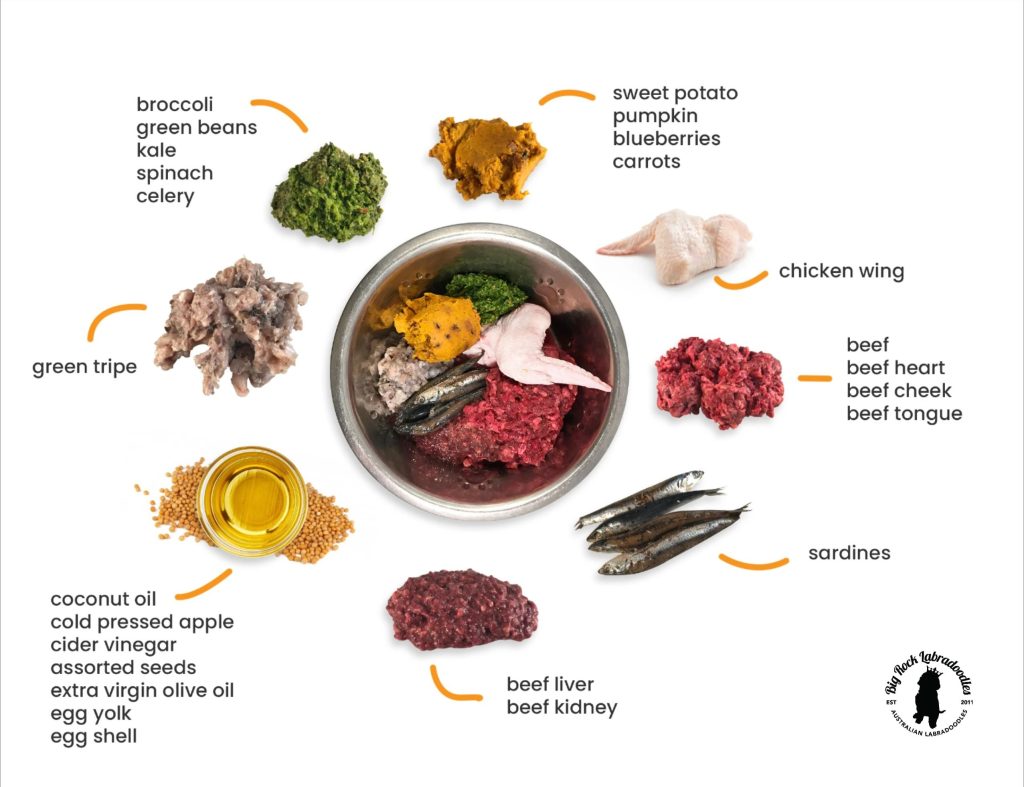
Unlocking the Nutritional Potential of Homemade Pet Foods
As the trend of homemade pet foods flourishes, understanding the nutritional potential they offer becomes essential. Not only do these meals provide customization based on your pet’s preferences and health needs, but they also empower pet owners to embrace a more hands-on approach to their pet’s diet. But what exactly does preparing homemade pet food entail? Here’s a closer look into the intricacies and motivations behind this growing movement.
Understanding Nutritional Needs
To harness the benefits of homemade pet foods, it’s vital to grasp the core nutritional requirements of your pet. Just like humans, animals require a balance of proteins, carbohydrates, fats, vitamins, and minerals. The right proportions depend on several factors, including age, weight, activity level, and health conditions. Here are some pivotal aspects to consider:
- Proteins: Essential for muscle development, proteins should constitute a substantial portion of your pet’s diet. Options include lean meats, fish, and eggs. It’s recommended to ensure these sources are high-quality and free from preservatives.
- Carbohydrates: While pets are primarily carnivores, healthy carbs such as sweet potatoes, brown rice, and peas can provide energy. These are particularly important for active dogs that require additional fuel for their energy levels.
- Fats: Dietary fats are crucial for maintaining a shiny coat and healthy skin. Sources like fish oil or flaxseed oil supply omega fatty acids, essential for overall wellness.
- Vitamins and Minerals: Incorporating a variety of fruits and vegetables not only adds vital nutrients but also offers additional health benefits. Foods such as carrots, blueberries, and spinach can contribute antioxidants and fiber, fostering improved digestion.
- Hydration: Never overlook the importance of water. Homemade meals are an opportunity to provide moisture through ingredients or even consider preparing homemade soups or broths, ensuring your pet remains well-hydrated.
Transitioning to Homemade Diets
Transitioning your pet to a homemade diet can be an exciting process, but it requires a strategic approach. A sudden switch may upset their digestive system, so gradual changes are recommended. Start by mixing small amounts of homemade food with their regular diet, monitoring how they respond over a few days. It is crucial to observe any signs of allergies or digestive discomfort, such as diarrhea or itching.
Moreover, keeping a record of your pet’s health and behavior during this transition allows for a deeper understanding of meal impacts and adjustments necessary in recipe formulations. The goal is to not only make the shift to homemade food but to do so in a way that enhances your pet’s overall health and well-being.
By embracing the journey of cooking for your pet, you unlock not only potential health benefits but also a greater appreciation of what it means to nourish your loved ones. With careful planning, dedication, and awareness of basic nutritional principles, homemade pet foods can truly transform mealtimes into a nourishing experience.
Understanding the Benefits of Homemade Pet Foods
When considering pet nutrition, making the switch to homemade pet foods could be one of the best decisions you make for your furry friend. Homemade meals provide an array of health benefits tailored specifically to your pet’s needs. For example, customizable ingredients allow pet owners to manage allergies or sensitivities by excluding harmful additives and allergens found in commercial pet food.Let’s dive deeper into some key advantages:
| Category | Description |
|---|---|
| Quality Control | Complete control over your pet’s diet ensures that only the finest ingredients are used, eliminating concerns about preservatives and fillers. |
| Health Benefits | Homemade pet foods can lead to improved digestion and increased energy levels, as fresh, whole ingredients are easier for pets to process. |
Additionally, preparing homemade meals can strengthen the bond between you and your pet. The act of cooking for them not only demonstrates care but also allows you to be more attuned to their specific dietary needs. This personal touch often results in a more engaged and satisfied pet.While making homemade pet food can be more time-consuming than purchasing commercial products, the long-term health benefits and peace of mind can alleviate many concerns that pet owners face. As you explore this nutritional option, consider discussing recipes with a veterinarian to ensure all dietary requirements are met effectively.
DIVE DEEPER: Click here to learn how to manage those tricky pet behaviors
Ensuring Safety and Quality in Homemade Pet Foods
While the allure of homemade pet foods is undeniable, safety and quality stand at the forefront of successful meal preparation. Delivering a balanced diet is only part of the equation; it is equally important to ensure that the food you prepare is safe for consumption. Understanding food safety methods and sourcing quality ingredients can greatly reduce the risk of nutritional deficiencies or even foodborne illnesses in pets.
Ingredient Selection and Quality Control
The cornerstone of any well-balanced homemade pet diet is high-quality ingredients. As a pet owner, sourcing meat, vegetables, and grains is paramount. When it comes to meat, opt for organic or grass-fed options whenever possible. These choices often feature fewer additives and enhanced nutrient profiles. For vegetables, fresh produce is ideal; however, ensure to choose pet-safe varieties. Some popular choices that are beneficial for pets include:
- Sweet potatoes: rich in vitamins A, C, and B6, and fiber, great for digestion.
- Carrots: a low-calorie snack filled with beta-carotene and excellent for dental health.
- Green beans: a good source of vitamins and minerals while being low in calories.
Sourcing grains can be a bit daunting; however, whole grains like brown rice and oats are commendable options. They offer digestive benefits and can help with your pet’s energy levels. When buying pre-packaged ingredients, always check the labels for added sugars, artificial preservatives, and fillers that could detract from your homemade meal’s nutritional value.
Food Preparation and Cooking Techniques
Once you have your ingredients, proper food preparation and cooking techniques play a vital role in retaining nutritional value. Steaming vegetables rather than boiling them preserves their vitamins while ensuring they are palatable for your pet. When cooking proteins, avoid using seasoning, as ingredients like garlic and onions can be toxic to animals. Instead, consider cooking meats by boiling or baking until thoroughly cooked to eliminate harmful bacteria.
Additionally, using batch cooking can be a time-saving strategy. Prepare larger quantities and then portion meals for the week ahead. Store these portions in airtight containers in the refrigerator for up to four days or in the freezer for longer meals. This not only streamlines meal prep but also ensures your pet has freshly prepared food available at all times.
Monitoring Your Pet’s Health Post-Transition
One of the most critical aspects of shifting to homemade pet foods is ongoing monitoring. Regular vet check-ups help keep track of your pet’s health, especially as you’re implementing changes in their diet. Discuss any modifications with your veterinarian, who may recommend supplements to address any potential dietary gaps.
Additionally, closely observe your pet’s reaction to new meals, noting changes in their energy levels, coat condition, and digestive health. This proactive approach ensures your pet not only benefits from homemade meals but also thrives in their overall wellness.
By embracing the thoughtful preparation of homemade pet foods, pet owners can foster a deeper bond with their furry companions while actively contributing to their health and happiness. Understanding the intricacies of ingredient selection and food safety will empower pet owners to provide meals that not only nourish but also delight their pets.
LEARN MORE: Click here to discover the benefits of a balanced diet for your pets
Conclusion: The Art and Science of Homemade Pet Foods
In the journey of pet ownership, choosing homemade pet foods offers a unique blend of nutrition and affection that can enhance the bond with your furry friend. By prioritizing ingredient selection, food safety, and preparation techniques, pet owners can create meals tailored to their pets’ specific health needs, ensuring they receive the best possible nutrition. The ability to customize recipes allows for greater control over what goes into your pet’s diet, leading to improved health outcomes and overall happiness.
As you transition to homemade meals, it’s imperative to stay informed through reliable resources and consultation with veterinary professionals. Monitoring your pet’s response to dietary changes is not just a precaution; it’s a vital part of the process that can alert you to any potential issues early on. Whether it’s a glossy coat, increased energy levels, or even their digestive health, the positive signs will affirm that your efforts are paying off.
Ultimately, embarking on the adventure of homemade pet foods can lead to an enriching experience for both you and your pet. Not only does it provide nutritional benefits, but it cultivates a deeper connection as you take the time to understand their dietary needs and preferences. As a responsible pet owner, your commitment to their well-being is commendable and can be rewarding both emotionally and physically. Explore this engaging culinary landscape, and uncover a world of flavors and health advantages that homemade pet foods can offer.