Complete Guide to Post-Adoption Care: What to Do After Bringing Your New Pet Home
Welcoming Your New Family Member
Bringing a new pet into your home is an exciting journey filled with joy and new responsibilities. Understanding post-adoption care is essential to ensure your furry friend quickly adjusts to their new environment. This guide will walk you through crucial steps to take after adoption, setting the foundation for a happy life together.
Key Considerations for Pet Owners
- Health Care: Schedule a vet visit as soon as possible after adoption. This is vital for ensuring your pet receives necessary vaccinations and health screenings. Depending on the type of pet, certain vaccinations like rabies and distemper for dogs or feline leukemia for cats can help prevent serious diseases. Additionally, these visits will help establish a health care routine, including spaying or neutering, which can contribute to your pet’s long-term well-being.
- Nutrition: Research the best food options suitable for your pet’s age, size, and breed. For instance, puppies and kittens have different dietary needs compared to adult pets. Brands like Blue Buffalo or Royal Canin offer specialized formulas that cater to various life stages and health conditions. A well-balanced diet is crucial for maintaining energy levels, supporting growth, and preventing obesity, which can lead to other health issues.
- Training: Start with basic commands to facilitate good behavior and understanding. Training can reduce anxiety for both you and your pet. Consider positive reinforcement methods, such as treats or praise, to encourage desirable behavior. Enrolling your pet in a basic obedience class not only teaches them important commands like “sit” and “stay,” but also helps socialize them with other pets and people.
In addition to these considerations, creating a safe, welcoming space in your home is vital. This involves:
- Pet-proofing: Remove potential hazards such as toxic plants, electrical cords, or small objects that could be swallowed. Common household items like poinsettias, certain types of lilies, and chocolates are toxic to pets. It’s important to familiarize yourself with what is safe for your companion, ensuring a secure environment.
- Comfort: Provide a cozy bed, engaging toys, and essentials for their needs. A designated space where your pet can retreat can help ease their transition. Consider creating a quiet corner with their bed, a few toys, and a water bowl to make them feel more at home.
As a pet owner, you play a crucial role in their emotional and physical well-being. By being proactive and informed, you can ensure a positive transition for your new companion. It’s important to remember that every pet is unique and may require different adjustments to feel secure in their new environment. Building a routine and consistently showing love and attention will help strengthen the bond between you and your furry friend.
Ready to dive deeper into each essential aspect of post-adoption care? Staying informed and prepared can lay the groundwork for a fulfilling relationship and a harmonious home for you and your new family member.
DISCOVER MORE: Click here to learn about the benefits of positive reinforcement
Ensuring a Smooth Transition
When your new pet crosses the threshold into your home, it marks the beginning of a significant change in their life. The transition period is crucial and can greatly impact how well they adapt to their new environment. Understanding how to facilitate this process can make the difference between a stressed pet and a happy one. Here are essential steps to ensure a smooth adjustment for your furry friend.
Establishing a Routine
One of the best ways to help your new pet feel secure is by establishing a consistent daily routine. Pets thrive on predictability, which helps them adjust to their surroundings and understand what to expect. A well-structured schedule that includes feeding, playtime, walks, and bedtime can greatly reduce anxiety.
- Regular Feeding Times: Feed your pet at the same times each day to create a sense of routine. This practice not only helps with digestive health but also fosters trust and security.
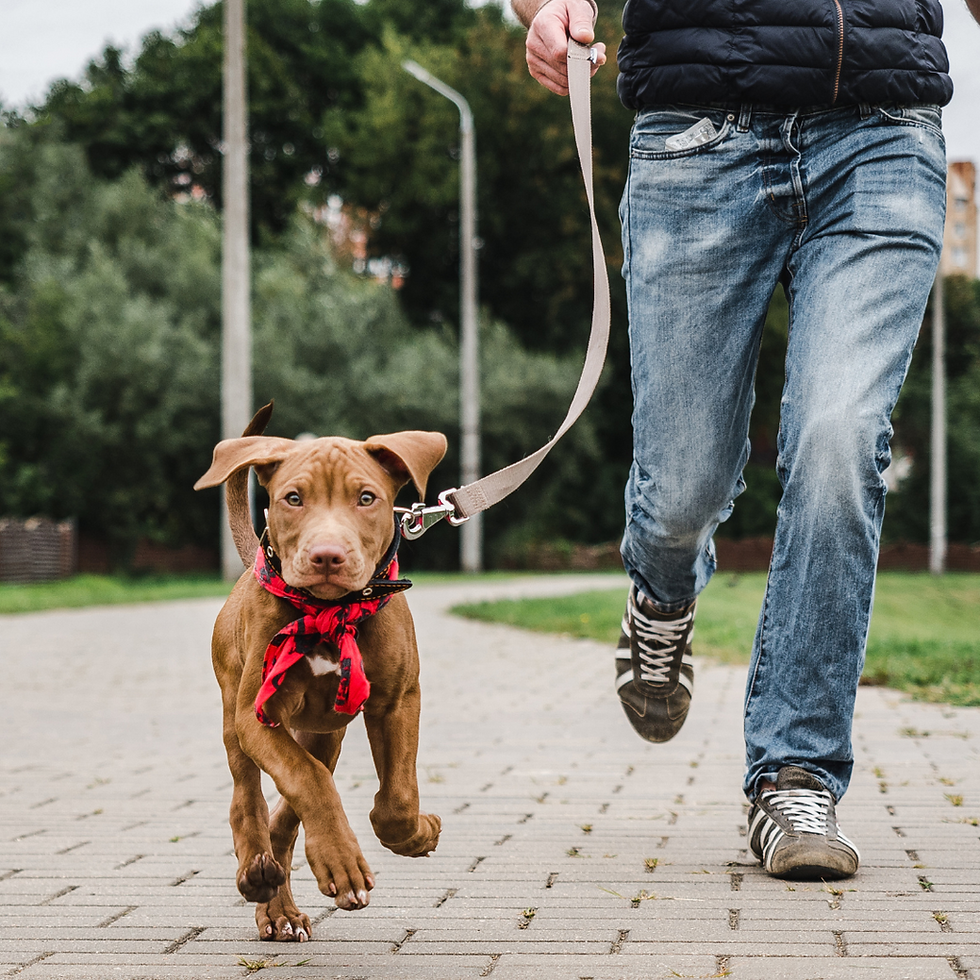
- Consistent Exercise: Regular walks or play sessions are vital to your pet’s physical and mental health. For dogs, daily walks are beneficial for burning energy and exploring their new environment. For cats, interactive play with toys can keep their instincts sharp and provide mental stimulation.
- Designate a Sleep Schedule: Encourage healthy sleep patterns by creating a calming environment for your pet at night. Make your pet’s designated sleeping area comfortable, quiet, and away from household disturbances.
Building Trust and Bonding
Developing a bond with your new pet takes time, patience, and understanding. Many pets may be shy or fearful after adoption, making it essential to be gentle and respectful of their space. Here are some ways to foster trust:
- Respect Their Space: Allow your pet to explore their new surroundings at their own pace. Avoid overwhelming them with too much attention or forced interactions. Create a space where they can retreat if they feel anxious.
- Use Positive Reinforcement: Reward your pet for desired behaviors with treats, praise, or affection. This method not only encourages good behavior but also helps them associate you with positive experiences.
- Spend Quality Time: Engage in activities that encourage interaction, whether it’s gentle petting, or interactive play. This time spent together can strengthen your bond and provide emotional reassurance to your pet.
By establishing a routine and focusing on building trust, you facilitate a positive environment that is conducive to your pet’s well-being. Remember, patience is key, and each pet is unique. They may require different amounts of time to feel comfortable. The goal is to develop a loving partnership that fosters mutual understanding and respect.
Ready to explore more about how to enrich your post-adoption journey? Continue reading as we delve deeper into creating a stimulating environment and finding resources to assist you in your new role as a pet owner.
Understanding Your New Pet’s Needs
Once you bring your new furry friend home, it’s essential to grasp their unique needs and behaviors. Each pet is distinct, and they may come with various backgrounds that influence how they interact with their new environment. Providing a stable atmosphere is vital; start by establishing a routine that includes scheduled feeding times, walks, and play sessions. This predictability helps them feel secure.
Creating a Safe Environment
The first step in ensuring your pet’s comfort is to create a safe space for them. Remove any hazards such as toxic plants, small objects that can be swallowed, and electrical cords that they might chew. Consider investing in pet gates to keep them away from restricted areas. A cozy bed or a designated area can help them decompress, providing a sanctuary where they can retreat if feeling overwhelmed.
Health Check and Veterinary Care
After adoption, scheduling a veterinary check-up is imperative. This visit not only allows for a thorough health examination but also gives you the chance to discuss vaccinations, spaying or neutering options, and any dietary adjustments your pet may need. Keep in mind that transitioning to a new home can be stressful for pets, which may lead to behavioral changes or health conditions. Regular vet visits will help you keep a close watch on your pet’s well-being.
Understanding Behavioral Signs
Be observant of your pet’s behavior; signs of anxiety, stress, or discomfort can manifest in various ways. For instance, excessive barking, hiding, or destructive chewing are signals that your pet may be struggling to adjust. Offering positive reinforcement through treats and praise when they exhibit good behavior will help build trust and confidence. Patience is key during this transition period, as it can take weeks or even months for a rescue animal to feel entirely at home.
Socialization and Training
Proper training enriches your pet’s life and deepens the bond you share. Implementing basic commands and rules from the outset establishes boundaries that dogs, in particular, thrive on. Socialization is equally important; exposing your pet to new people, pets, and environments can mitigate fear and foster good behavior. Consider enrolling in obedience classes—it’s a productive way to enhance your pet’s training while offering an opportunity for you to meet fellow pet owners.Honing in on these aspects of post-adoption care will not only lead to a more harmonious household but will also pave the way for a happy and healthy relationship with your new companion.
DISCOVER MORE: Click here to enhance your pet’s environment
Creating a Stimulating Environment
A successful post-adoption journey doesn’t rely solely on establishing a routine or building trust; creating an engaging environment is equally vital. Pets, like humans, thrive in spaces that promote mental stimulation and physical activity. Here’s how to transform your home into a vibrant haven for your new companion.
Incorporating Interactive Toys
Interactive toys are fantastic tools for providing entertainment and mental stimulation. They keep your pet engaged and prevent destructive behavior that can arise from boredom. Here are a few options:
- Puzzle Feeders: These toys challenge your pet to think and problem-solve while enjoying their meals. They come in various difficulty levels, ensuring that your pet remains mentally stimulated.
- Cat Trees and Climbing Structures: For feline friends, cat trees offering scratching posts, perches, and hideaways enhance their natural instincts to climb and explore.
- Fetch and Retrieve Toys: For dogs, toys designed for retrieving can be paired with regular play sessions, effectively channeling energy into healthy activities. Consider tennis balls or frisbees that you can throw during outdoor adventures.
Setting Up Safe Spaces
Every pet needs a sanctuary where they can retreat when feeling overwhelmed. Establishing safe spaces can help them manage stress and anxiety associated with their new environment:
- Cozy Nooks: Designate quiet corners or areas with soft bedding where your pet can relax. Outfitting these spaces with their favorite blanket or toy can encourage them to use it as a retreat.
- Crate Training: For dogs, crate training provides a den-like environment, aiding in their security. The crate should never be used as punishment but rather as a comforting space of their own.
- Enclosed Play Areas: Consider baby gates or pens to create enclosed areas where your pet can safely explore while keeping them away from potentially dangerous household items.
Socialization and Integration
Socializing your pet is a crucial component of their post-adoption care. Positive interactions with other pets and individuals can ease anxiety and promote well-rounded behavior. However, it’s important to introduce socialization thoughtfully:
- Gradual Introductions: Slowly introduce your new pet to family members, existing pets, and even visitors. Monitor interactions closely and offer treats for calm behavior.
- Participate in Classes: Engage your pet in training classes or socialization groups. Not only do these environments offer valuable learning opportunities, but they also allow your pet to mingle with others in a controlled setting.
- Outings and Adventures: Regular outdoor activities, such as visits to dog parks or pet-friendly cafes, can expose your pet to new experiences. Just be sure to keep these outings short initially as they adjust to their surroundings.
By fostering a stimulating environment, providing safe spaces, and facilitating social integration, you will enrich your new pet’s life tremendously. Remember, building a well-adjusted and happy companion is a gradual process, but each effort you make contributes significantly to their overall well-being and happiness.
DISCOVER: Click here to learn about the benefits of animal-assisted therapy
Conclusion
Bringing a new pet into your home is a joyous occasion that marks the beginning of a rewarding relationship. However, the journey of post-adoption care is just as critical as the adoption process itself. As you’ve learned, creating a nurturing environment is paramount, encompassing routine establishment, socialization, and mental stimulation. By integrating these facets into your pet’s daily life, you pave the way for their emotional and physical well-being.
From engaging toys that stimulate their mind to safe spaces that give them comfort, your home should be tailored to accommodate your new companion’s instincts and needs. Additionally, fostering social interactions not only builds their confidence but also enriches their experiences, allowing them to thrive in various settings. It’s essential to remember that every pet is unique—what works for one may not work for another. Therefore, patience and observation are key as you navigate this transition.
Ultimately, the effort you invest in understanding and catering to your pet’s specific needs will yield significant rewards. A well-adjusted pet brings joy to your life while enhancing your home environment. Embrace each step of this journey with love and dedication, and remember that you are not alone. There are ample resources available, from local shelters to pet care professionals, ready to support you in your role as a responsible pet owner. Your commitment to post-adoption care is the foundation for a lasting bond, ensuring that your furry friend finds a forever home filled with love and happiness.